If you’re looking for a cozy, nutritious dish that’s bursting with vibrant flavors, you’ve got to try this Italian Vegetable Stew Recipe. I absolutely love how this hearty stew comes together with fresh, wholesome ingredients to create a bowl that comforts and delights. Whether you’re new to Italian cooking or a longtime fan, this recipe is a total winner—and I promise once you try it, it’ll become one of your go-to favorites too!
Why You’ll Love This Recipe
- Simple, wholesome ingredients: This recipe showcases fresh vegetables you likely already love and have on hand.
- Versatile and comforting: It’s perfect for a chilly evening or an easy weeknight meal.
- Family-friendly flavors: My family goes crazy for this stew, and it’s a great way to sneak in extra veggies.
- Easy to customize: You can tweak the vegetables or broth to match your pantry and tastes.

Ingredients You’ll Need
When it comes to the ingredients for this Italian Vegetable Stew Recipe, I always choose fresh, seasonal vegetables because they really shine in this dish. Plus, I’ve found that choosing a good quality extra-virgin olive oil makes a big difference in the flavor. Here’s what you’ll want to gather before you start.
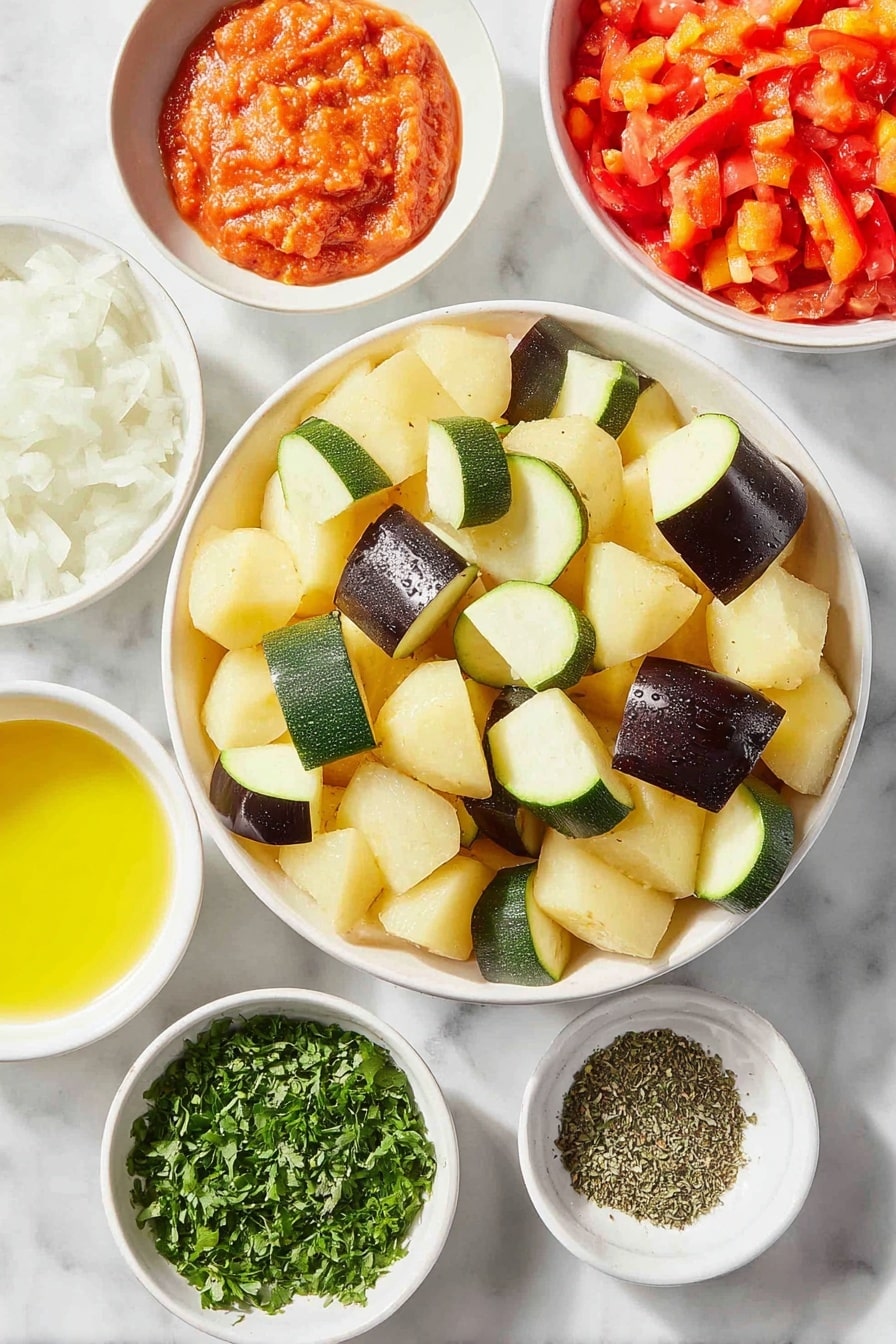
- Eggplant: Make sure to peel it and cut it into even ½-inch pieces so it cooks perfectly.
- Salt: Just a pinch to bring out the flavors of the vegetables.
- Extra-virgin olive oil: This adds richness and depth—don’t skimp on this one!
- Onion: A medium onion will add sweetness when sautéed—chop it finely for even cooking.
- Potatoes: Choosing starchy potatoes helps thicken the stew naturally.
- Tomato paste: This gives a concentrated tomato flavor that wakes up the whole dish.
- Chicken broth, vegetable broth, or water: This is the base of your stew—using broth adds extra flavor.
- Chopped tomatoes (canned): I find canned tomatoes add great texture and a nice acidity.
- Zucchini: Adds a lovely fresh, green note and soaks up the flavors wonderfully.
- Red bell pepper: For a subtle sweetness and a pop of color.
- Dried oregano: Classic Italian herb that warms the dish beautifully.
- Fresh parsley: Stirred in at the end for a burst of freshness—try to use it fresh from the garden if you can!
Variations
This Italian Vegetable Stew Recipe is like a canvas—you can really make it your own depending on what’s in season or what you’re craving. I love to switch up the veggies or make it meatier with added sausage when friends come over.
- Swap or add vegetables: When zucchini is out of season, I use summer squash or add mushrooms for earthiness.
- Vegetarian or vegan: Use vegetable broth to keep it plant-based; I sometimes toss in a handful of chickpeas for protein.
- Make it spicy: For a little kick, sprinkle in some red pepper flakes while the stew simmers.
- Thicker stew: Mash a few potatoes in the stew at the end to naturally thicken it up without adding flour or cream.
How to Make Italian Vegetable Stew Recipe
Step 1: Sauté Your Aromatics to Build Flavor
Start by heating the extra-virgin olive oil in a large pot over medium heat. Then add the chopped onion and cook until it becomes translucent, about 5 minutes. You’ll notice a sweet aroma as the onion softens—that’s when you know you’re on the right track. Don’t rush this step because it lays the foundation for the whole stew.
Step 2: Add Potatoes and Develop the Base
Next, toss in the peeled and diced potatoes. Cook them with the onions for another 5 minutes, stirring occasionally. This helps the potatoes start cooking and gives you a chance to stir in some rich tomato paste and dried oregano in the next step. I find this layering technique brings every flavor together seamlessly.
Step 3: Bring in the Tomato Paste and Herbs
Stir in the tomato paste and sprinkle in the dried oregano. Let these cook together for about a minute so the herbs release their fragrance and the tomato paste deepens in flavor. This is one of those subtle moments that really makes your stew taste authentic and well-rounded.
Step 4: Add the Bulk of Your Vegetables and Broth
Now for the star ingredients—the eggplant, zucchini, red bell pepper, canned tomatoes, and your broth. Add them all to the pot and give everything a good stir to combine. I usually choose chicken broth for a richer flavor but vegetable broth is just as tasty and keeps it vegetarian-friendly. Bring the whole mixture to a gentle simmer, then lower the heat.
Step 5: Simmer Until Tender and Flavorful
Let your stew gently simmer for about 15 to 20 minutes until all the vegetables are tender and the flavors meld beautifully. This step is crucial—patience here makes all the difference. Stir occasionally to prevent sticking, and keep an eye on the pot to ensure it’s not boiling too hard.
Step 6: Season and Add Fresh Parsley
Give your stew a taste and adjust seasonings as needed, adding more salt or pepper to suit your liking. Just before serving, stir in freshly chopped parsley for a fresh, herbaceous lift. I love grabbing parsley straight from my garden—it adds that special touch every time.
Pro Tips for Making Italian Vegetable Stew Recipe
- Uniform Veggie Cuts: By cutting all your vegetables into ½-inch pieces, they cook evenly and finish together—a game changer for texture.
- Don’t Skip the Simmer: Letting the stew gently simmer blends the flavors and softens the veggies perfectly without turning mushy.
- Use Quality Olive Oil: A good extra-virgin olive oil adds richness and a subtle fruity note that you’ll notice in every bite.
- Fresh Herbs Finish Strong: Adding parsley right at the end brightens the dish and prevents herbs from fading into the background.
How to Serve Italian Vegetable Stew Recipe
Garnishes
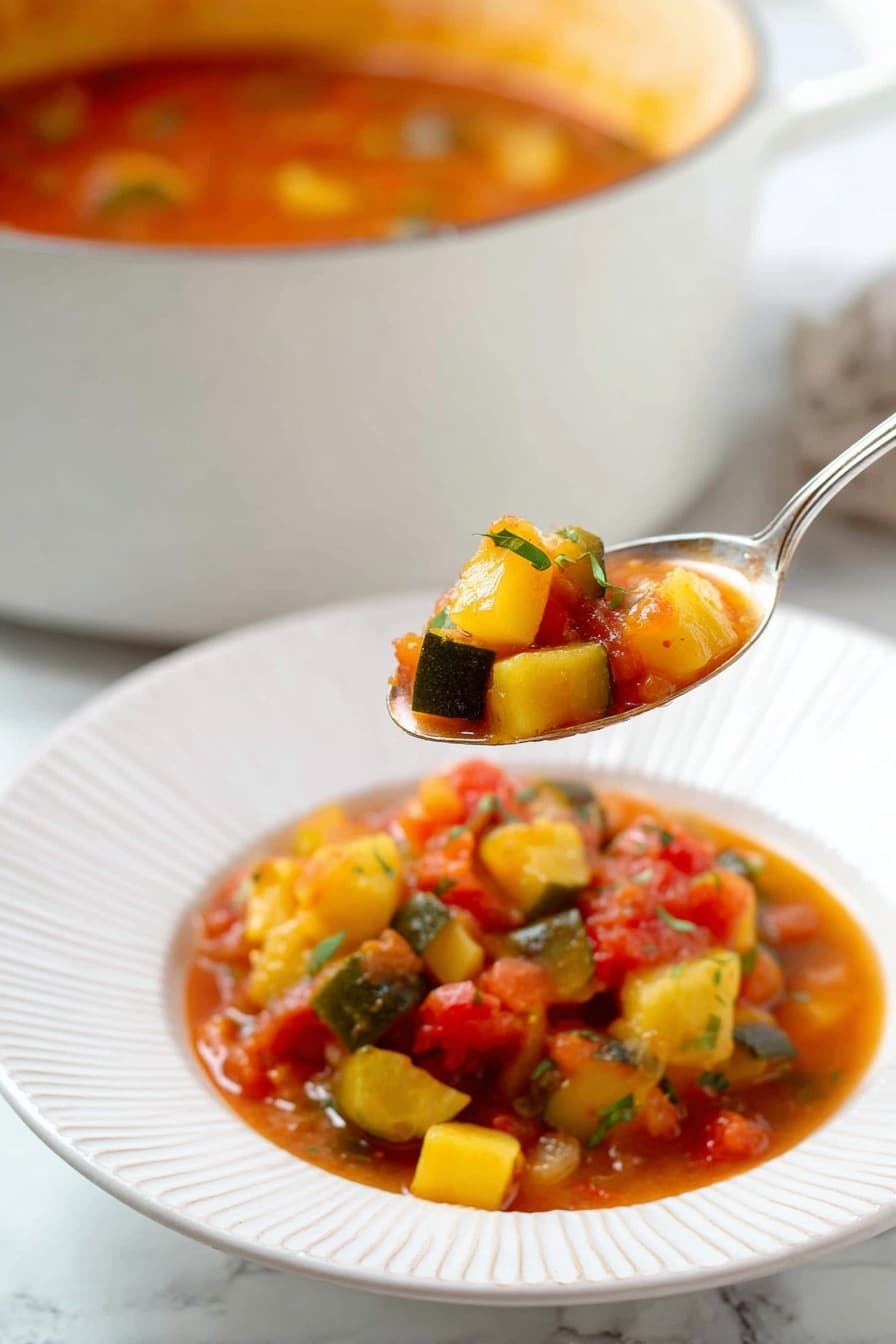
I always serve this stew topped with a generous sprinkle of chopped fresh parsley—it adds such a fresh, vibrant touch. Sometimes I add a drizzle of good olive oil or a little grated Parmesan for those who enjoy cheese. A few cracks of black pepper on top never hurt either!
Side Dishes
This stew pairs wonderfully with crusty Italian bread or a warm baguette—perfect for mopping up all that delicious broth. I also like to serve it alongside a light salad with a tangy vinaigrette to balance the richness of the stew.
Creative Ways to Present
For a special occasion, I’ve served this stew in individual rustic bread bowls, which makes for a beautiful presentation and a fun dining experience. Another favorite is topping the stew with a poached egg for extra comfort on cold days—give it a try!
Make Ahead and Storage
Storing Leftovers
Leftover stew keeps beautifully in the fridge for up to 3-4 days. I usually portion it into airtight containers to keep flavors fresh and prevent vegetables from getting soggy. Just give it a good stir before reheating.
Freezing
I’ve frozen this stew a couple of times and it holds up well. I freeze it in single meal-sized portions, making sure it’s completely cooled before sealing tightly. When you’re ready to enjoy, thaw overnight in the fridge and reheat gently on the stove.
Reheating
To reheat, I prefer warming the stew on the stovetop over low heat, stirring occasionally to avoid sticking. This method preserves the texture better than microwaving and helps all tastes meld back together. Add a splash of broth or water if it thickened too much overnight.
FAQs
-
Can I make this Italian Vegetable Stew Recipe vegan?
Absolutely! Just swap out the chicken broth for vegetable broth or water, and you have a delicious vegan-friendly stew packed with flavor and nutrients.
-
What can I substitute for eggplant if I don’t like it?
If eggplant isn’t your thing, try substituting with extra zucchini or mushrooms. Both absorb flavors beautifully and add great texture to the stew.
-
How do I prevent the vegetables from getting mushy?
Cut all vegetables into uniform ½-inch pieces to ensure even cooking. Also, simmer the stew gently rather than boiling vigorously to keep veggies tender but intact.
-
Can I prepare this stew in a slow cooker?
Yes! Just sauté the onions and potatoes first, then add everything to the slow cooker and cook on low for 4-5 hours until tender. Add fresh parsley just before serving.
-
What’s the best way to thicken the stew if it’s too watery?
Try mashing a few of the cooked potatoes right in the pot—they act as a natural thickener without changing the flavor. Alternatively, simmer a bit longer with the lid off to reduce excess liquid.
Final Thoughts
This Italian Vegetable Stew Recipe is truly close to my heart because it brings so much comfort and joy to my kitchen table, especially on cooler days when you need a little cozy in your life. I encourage you to give it a try—you’ll find that it’s not only easy to make but also endlessly adaptable, feeding both your body and soul. And honestly, nothing beats the satisfaction of sharing a warm, hearty meal with loved ones made from simple, fresh ingredients. I can’t wait to hear how you make it your own!
Print
Italian Vegetable Stew Recipe
- Prep Time: 15 minutes
- Cook Time: 30 minutes
- Total Time: 45 minutes
- Yield: 4 servings
- Category: Soup/Stew
- Method: Stovetop
- Cuisine: Italian
- Diet: Vegetarian
Description
Ciambotta is a classic Italian vegetable stew featuring a medley of fresh vegetables simmered in a savory tomato broth. This hearty, flavorful dish is perfect as a comforting meal on its own or as a side, highlighting traditional Italian flavors with simple, wholesome ingredients.
Ingredients
Vegetables
- 1 eggplant, peeled and cut into ½-inch pieces
- 1 onion, medium, chopped
- 2 potatoes, medium, peeled and cut into ½-inch pieces
- 1 zucchini, medium, cut into ½-inch pieces
- 1 red bell pepper, seeded and cut into ½-inch pieces
Broth and Seasonings
- ½ teaspoon salt
- 3 tablespoons extra-virgin olive oil
- 1 tablespoon tomato paste
- 2 cups chicken broth, vegetable broth, or water
- 1 can chopped tomatoes
- 1 teaspoon dried oregano
- ⅛ cup fresh parsley, chopped
Instructions
- Heat the olive oil: Heat the 3 tablespoons of extra-virgin olive oil in a large pot over medium heat. Add the chopped onion and sauté until translucent, approximately 5 minutes, to develop a flavorful base.
- Cook the potatoes: Add the peeled and diced potatoes to the pot with the onions. Cook for an additional 5 minutes, stirring occasionally to prevent sticking and ensure even cooking.
- Add tomato paste and oregano: Stir in 1 tablespoon of tomato paste and 1 teaspoon of dried oregano. Cook for about 1 minute to toast the spices and deepen the tomato flavor.
- Add remaining vegetables and liquids: Add the chopped eggplant, zucchini, red bell pepper, 2 cups of chicken broth (or vegetable broth or water), and one can of chopped tomatoes. Stir well to combine all the ingredients evenly.
- Simmer the stew: Bring the mixture to a simmer over medium heat. Once simmering, reduce heat to low and cook uncovered for 15 to 20 minutes or until all vegetables are tender and flavors meld together.
- Season to taste: Taste the stew and adjust seasoning by adding salt and pepper as needed to balance and enhance the flavors.
- Add fresh parsley: Stir in the chopped fresh parsley just before serving to add a bright, fresh flavor that complements the hearty vegetables.
- Serve: Ladle the hot ciambotta into bowls, optionally garnished with additional fresh parsley for an attractive presentation and extra flavor.
Notes
- Cut vegetables uniformly into ½-inch pieces to ensure even cooking and consistent texture throughout the stew.
- Allow the stew to simmer gently to fully blend flavors and soften the vegetables to tender perfection.
- Adjust seasonings gradually and taste before serving to suit your personal preference.
- Fresh parsley enhances the flavor and presentation; use fresh from the garden if possible for the best aromatic impact.
Nutrition
- Serving Size: 1 cup
- Calories: 150
- Sugar: 7g
- Sodium: 420mg
- Fat: 7g
- Saturated Fat: 1g
- Unsaturated Fat: 6g
- Trans Fat: 0g
- Carbohydrates: 20g
- Fiber: 5g
- Protein: 3g
- Cholesterol: 0mg