If you’ve been hunting for a dessert that beautifully blends two classics into one unforgettable treat, you’re in for a real delight with this Creme Brûlée Cheesecake Recipe. Trust me when I say this fan-freaking-tastic dessert will quickly become your go-to when you want to impress guests or treat yourself on a cozy night in. Creamy cheesecake meets the silky smoothness of a creme brûlée topping, finishing with that irresistible caramelized sugar crust you get to torch yourself. Stick with me—I’ll walk you through every step to make sure your cheesecake turns out flawless!
Why You’ll Love This Recipe
- Perfect Fusion: Combines the creamy texture of cheesecake with the silky richness of creme brûlée for a dessert that’s twice as delicious.
- Impress Without Stress: I’ve simplified the water bath and caramelizing steps to make it easy even if you’re new to these techniques.
- Make-Ahead Friendly: You can prep it a day ahead, which means less hassle when it’s party time or dessert cravings hit.
- Crowd-Pleaser: My family goes crazy for this, and people always ask for seconds (and the recipe!).

Ingredients You’ll Need
Each ingredient plays an essential role, from that buttery vanilla wafer crust that gives this cheesecake a subtle crunch, to the luscious pastry cream topping that elevates it to next-level deliciousness. Here’s what you’ll want to have on hand before you get started.

- Vanilla wafer crumbs: Using vanilla wafers gives the crust a great vanilla flavor without needing extra spices.
- Salted butter: Melted to bind your crust perfectly and add that rich buttery taste.
- Brown sugar (for crust and filling): Adds a warm molasses note that balances sweetness with depth.
- Cream cheese: Make sure it’s room temperature for the smoothest, lump-free filling.
- All-purpose flour: Just a bit to keep the cheesecake stable and creamy without being dense.
- Sour cream: Brings tanginess and tender texture—don’t skip it!
- Vanilla extract: The flavor booster that turns good into amazing.
- Eggs: Room temperature eggs incorporate better, helping your cheesecake set nicely.
- Egg yolks (for pastry cream): These give the pastry cream a rich custard base.
- Sugar & cornstarch (pastry cream): Thickens the custard while keeping it silky smooth.
- Milk: Use whole milk for a creamy pastry cream texture.
- Butter (pastry cream): Adds that glossy finish and richness to your topping.
- Sugar (extra): For that signature caramelized crust on top.
Variations
I love how flexible this Creme Brûlée Cheesecake Recipe is! You can tweak it to match your taste or dietary needs without losing that decadent charm. Here are some of my favorite ways to switch it up.
- Ingredient swaps: When I want a twist, I swap vanilla wafers for graham crackers in the crust or try different types of sugar, like coconut sugar, for a deeper caramel flavor.
- Flavor infusions: Adding a teaspoon of espresso powder in the filling creates a dreamy mocha cheesecake that my friends always rave about.
- Dairy-free version: Using vegan cream cheese and coconut milk in the pastry cream works surprisingly well, especially if you skip the water bath and bake carefully.
- Seasonal fruit topping: I sometimes layer fresh berries or a berry compote underneath the pastry cream for a pop of freshness and color.
How to Make Creme Brûlée Cheesecake Recipe
Step 1: Prepare the Crust and Pan
Start by preheating your oven to 325°F (163°C). Line the bottom of your 9-inch springform pan with parchment paper—this is a lifesaver when removing the cheesecake later. Grease the sides well to prevent sticking. Mix the vanilla wafer crumbs, melted butter, and brown sugar until everything feels like wet sand. Press this mixture evenly into the base and up the sides of the pan. I find pressing firmly helps avoid cracks later on. Bake the crust for 10 minutes, then set aside to cool. Before moving on, wrap the outside of the pan securely with aluminum foil to protect it during the water bath—you really don’t want any leaks!
Step 2: Mix the Cheesecake Filling
Reduce the oven temperature to 300°F (148°C). Beat your room temperature cream cheese, brown sugar, and flour on low speed until smooth—this step is crucial since beating on high can whip air into the batter, leading to cracks. Scrape down the sides as you go to keep everything uniform. Add the sour cream and vanilla extract, mixing gently just until combined. Then, add the eggs one at a time, mixing slowly after each addition to avoid over-mixing. You’ll notice the batter thickening nicely, and that’s exactly what you want.
Step 3: Bake the Cheesecake in a Water Bath
Pour your cheesecake batter into the cooled crust inside the springform pan. Set this pan inside a larger pan and pour warm water around it until it reaches halfway up the springform pan’s sides. This gentle water bath ensures slow, even baking that prevents cracking and contributes to silky texture. Bake for 1 hour and 30 minutes—the center should still jiggle a little but not be liquid. Then, turn off the oven and leave the door closed for 30 minutes to let it settle. After that, crack the oven door open slightly and let it cool for another 30 minutes. This slow cooling is a trick I learned to avoid that dreaded cheesecake crack.
Step 4: Make the Pastry Cream Topping
While the cheesecake is cooling, make the luscious pastry cream. Whisk the egg yolks gently in a medium bowl and set aside. In a saucepan, combine sugar, cornstarch, and milk, stirring until smooth. Heat over medium until it’s just beginning to thicken and simmer, but don’t boil! This part is key—you want to be patient to avoid lumps. To prevent scrambled eggs, temper the yolks by slowly whisking in about ¼ cup of the hot milk mixture. Then pour this back into the saucepan and bring it to a light boil, stirring constantly for one minute until thickened. Remove from heat and stir in butter and vanilla extract until glossy and smooth. When your cheesecake comes out of the oven, spread this pastry cream evenly over the top and cover with clear wrap touching the cream to avoid a skin forming. Refrigerate for 5-6 hours or overnight until firm.
Step 5: The Showstopper Caramelized Top
When you’re ready to wow your guests, unmold your cheesecake onto a serving plate. Sprinkle 2 to 3 tablespoons of sugar evenly over the top and use a kitchen torch to caramelize the sugar until it forms that perfect golden crust. If you don’t have a torch, don’t worry—broil it for a few minutes watching closely, but beware it’s easier to burn. There’s something so satisfying about hearing that crack as you break through the caramelized sugar—it’s a sensory bonus that never gets old!
Pro Tips for Making Creme Brûlée Cheesecake Recipe
- Room Temperature Ingredients: Always bring your cream cheese and eggs to room temp to ensure a smooth, lump-free batter.
- Low-Speed Mixing: Mix at low speeds to avoid too much air trapped in your batter, which can cause cracks and uneven texture.
- Water Bath Wrapping: Wrapping the springform pan tightly with foil prevents water leaks that could ruin your crust and filling.
- Slow Cooling: Don’t rush cooling! Gradually cooling in the oven by cracking the door helps avoid the dreaded cheesecake crack.
How to Serve Creme Brûlée Cheesecake Recipe

Garnishes
I usually keep garnishes simple here; the caramelized sugar already steals the spotlight. Sometimes a light dusting of cocoa powder or a few fresh berries along the edge adds just enough color and subtle flavor without crowding the palate. A sprig of mint is my favorite finishing touch, especially when serving to guests—it makes the plate look fresh and inviting.
Side Dishes
This cheesecake shines as a dessert star on its own, but I love pairing it with a tart berry compote, which cuts through the richness beautifully. A small scoop of vanilla bean ice cream or a dollop of lightly whipped cream also complements it nicely, especially on warmer days.
Creative Ways to Present
For special occasions, I’ve served individual cheesecake jars layering crumbs, filling, and caramelized sugar on top—your guests get their own personal creme brûlée cheesecake jar, which feels super fancy but is so easy to assemble. Another memorable celebration idea is a themed fruit drizzle or edible gold leaf on the caramelized top for extra glam. These touches make your dessert table unforgettable.
Make Ahead and Storage
Storing Leftovers
I always keep leftovers tightly covered in the fridge to preserve moisture and prevent the caramel top from absorbing fridge odors. Wrapped well, the cheesecake stays fresh and creamy for up to 4 days. Just remember to give the sugar crust a gentle tap to restore some crunch before serving if it softens.
Freezing
Freezing this cheesecake works well if you slice it beforehand. Pop slices into airtight containers or individually wrap them tightly in plastic wrap and foil. I’ve found it freezes beautifully for up to a month without major texture loss. Just thaw overnight in the fridge for best results.
Reheating
If you want to enjoy your cheesecake slightly warmed, I recommend letting it come to room temperature first, then gently warming slices in the microwave for 10-15 seconds. Be careful not to melt the pastry cream topping! For that authentic creme brûlée crunch, quickly re-torch the sugar topping just before serving.
FAQs
-
Can I make the Creme Brûlée Cheesecake Recipe without a water bath?
While the water bath helps the cheesecake bake evenly and prevents cracking, you can skip it if you’re careful. In that case, reduce the oven temperature slightly and bake longer, checking frequently to avoid overbaking. However, the water bath is highly recommended for the best texture and appearance.
-
What kind of kitchen torch should I use for the caramelized topping?
I use a small butane kitchen torch, which is easy to handle and provides precise control for caramelizing. You can pick one up online or at most kitchen stores—just make sure it’s refillable and has safety features. If you don’t have a torch, broiling on high with close attention works too, but be careful not to burn the sugar.
-
Can I use heavier cream cheese or light cream cheese?
Full-fat cream cheese yields the best texture and flavor for this cheesecake, giving it a richer, creamier bite. While light cream cheese can work, you might notice a slightly less creamy texture and flavor. I recommend sticking to full fat for the best results.
-
How do I prevent the pastry cream from curdling?
Tempering the egg yolks by slowly whisking in the hot milk mixture before combining back is essential to avoid curdling. Stir constantly while cooking, and don’t let the mixture boil vigorously—just a gentle simmer will thicken it perfectly.
Final Thoughts
This Creme Brûlée Cheesecake Recipe is one of those desserts that’s equal parts show-stopping and surprisingly doable. I absolutely love how the creamy texture and caramelized sugar topping come together in each bite—it’s like having two favorite classics rolled into one perfect slice. I still remember the first time I made it and how my family couldn’t stop raving—it’s become a staple for special occasions and cozy nights alike. Give it a go yourself; I promise you’ll be rewarded with some serious dessert love.
Print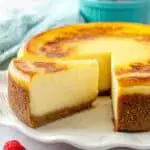
Creme Brûlée Cheesecake Recipe
- Prep Time: 1 hour 30 minutes
- Cook Time: 2 hours 30 minutes
- Total Time: 4 hours
- Yield: 12–14 slices
- Category: Dessert
- Method: Baking
- Cuisine: French-American
Description
This Creme Brûlée Cheesecake combines the creamy richness of classic cheesecake with the luxurious custard topping of crème brûlée. Starting with a buttery vanilla wafer crust, this dessert features a smooth, luscious cheesecake filling baked in a water bath for a delicate texture, topped with a silky pastry cream layer. Finally, a caramelized sugar topping is added with a kitchen torch to give that signature brûlée crunch. Perfect for special occasions or a decadent treat, this recipe yields 12 to 14 satisfying slices.
Ingredients
CRUST:
- 2 1/4 cups (302g) vanilla wafer crumbs
- 1/2 cup (112g) salted butter, melted
- 3 tbsp (39g) brown sugar
CHEESECAKE FILLING:
- 24 ounces (678g) cream cheese, room temperature
- 1 cup (225g) packed light brown sugar
- 3 tbsp (24g) all purpose flour
- 1 cup (230g) sour cream
- 1 1/2 tbsp vanilla extract
- 4 large eggs, room temperature
PASTRY CREAM:
- 2 egg yolks
- 6 tbsp (78g) sugar
- 1 1/2 tbsp cornstarch
- 1 cup (240ml) milk
- 1 tbsp (14g) salted butter
- 1 tsp vanilla extract
ADDITIONAL:
- 2–3 tbsp sugar (for caramelizing)
Instructions
- Prepare crust: Preheat oven to 325°F (163°C). Line a 9-inch (23cm) springform pan with parchment paper on the bottom and grease the sides. Combine vanilla wafer crumbs, melted butter, and brown sugar in a small bowl. Press this mixture firmly into the bottom and slightly up the sides of the springform pan. Bake the crust for 10 minutes, then remove and let cool. Cover the outside of the pan with aluminum foil to protect against water from the water bath during baking.
- Make cheesecake filling and bake: Reduce oven temperature to 300°F (148°C). In a large bowl, beat cream cheese, brown sugar, and flour on low speed until smooth and well combined, minimizing air incorporation to prevent cracks. Add sour cream and vanilla extract, mixing again on low speed until combined. Add eggs one at a time, blending slowly after each addition, scraping the bowl sides as needed for thorough mixing. Pour the cheesecake batter into the prepared crust. Place the springform pan inside a larger pan and fill the larger pan with warm water halfway up the sides (avoiding water reaching the aluminum foil). Bake for 1 hour and 30 minutes until the center is set but slightly jiggly.
- Cool cheesecake: Turn off the oven but keep the cheesecake inside with the door closed for 30 minutes to let it continue cooking gently. Then, crack the oven door and allow it to cool slowly for an additional 30 minutes to prevent cracking. Meanwhile, prepare the pastry cream.
- Prepare pastry cream: In a medium bowl, gently beat the egg yolks. In a saucepan, combine sugar, cornstarch, and milk, stirring until smooth. Heat the mixture over medium heat, stirring constantly, until it thickens and simmers without boiling. Temper the egg yolks by slowly whisking about 1/4 cup of the hot milk mixture into the yolks to avoid scrambling. Add the tempered yolks back into the saucepan with the remaining milk mixture. Return to heat and bring to a gentle boil, stirring continuously for 1 minute. Remove from heat and stir in butter and vanilla extract until smooth.
- Finish cheesecake: Remove the cheesecake from the oven and spread the warm pastry cream evenly on top. Cover with plastic wrap directly touching the pastry cream surface. Remove the pan from the water bath foil wrapping and refrigerate until fully set, about 5–6 hours or overnight for best results.
- Caramelize topping and serve: When ready to serve, carefully remove the cheesecake from the springform pan and place on a serving plate. Sprinkle 2–3 tablespoons of sugar evenly over the top. Using a kitchen butane torch, caramelize the sugar until golden and crisp, creating the signature crème brûlée crunchy top. Slice and enjoy!
Notes
- Be sure to use room temperature ingredients for smooth batter and even baking.
- Protect the springform pan with aluminum foil to prevent water from the bath seeping in and ruining the crust.
- Baking in a water bath helps prevent cracks and creates a creamy texture in the cheesecake.
- Adding eggs slowly and mixing at low speed reduces air bubbles that cause cracks.
- Letting the cheesecake cool gradually in the oven prevents sudden temperature changes that can crack the surface.
- Tempering the egg yolks when making pastry cream prevents scrambled eggs in the custard.
- Use a butane kitchen torch for best caramelizing results; an oven broiler can be an alternative if used carefully.
- For best flavor and texture, refrigerate the cheesecake overnight before serving.
Nutrition
- Serving Size: 1 slice (approx. 1/12 of cheesecake)
- Calories: 480
- Sugar: 32g
- Sodium: 230mg
- Fat: 32g
- Saturated Fat: 19g
- Unsaturated Fat: 11g
- Trans Fat: 0.5g
- Carbohydrates: 38g
- Fiber: 1g
- Protein: 7g
- Cholesterol: 145mg