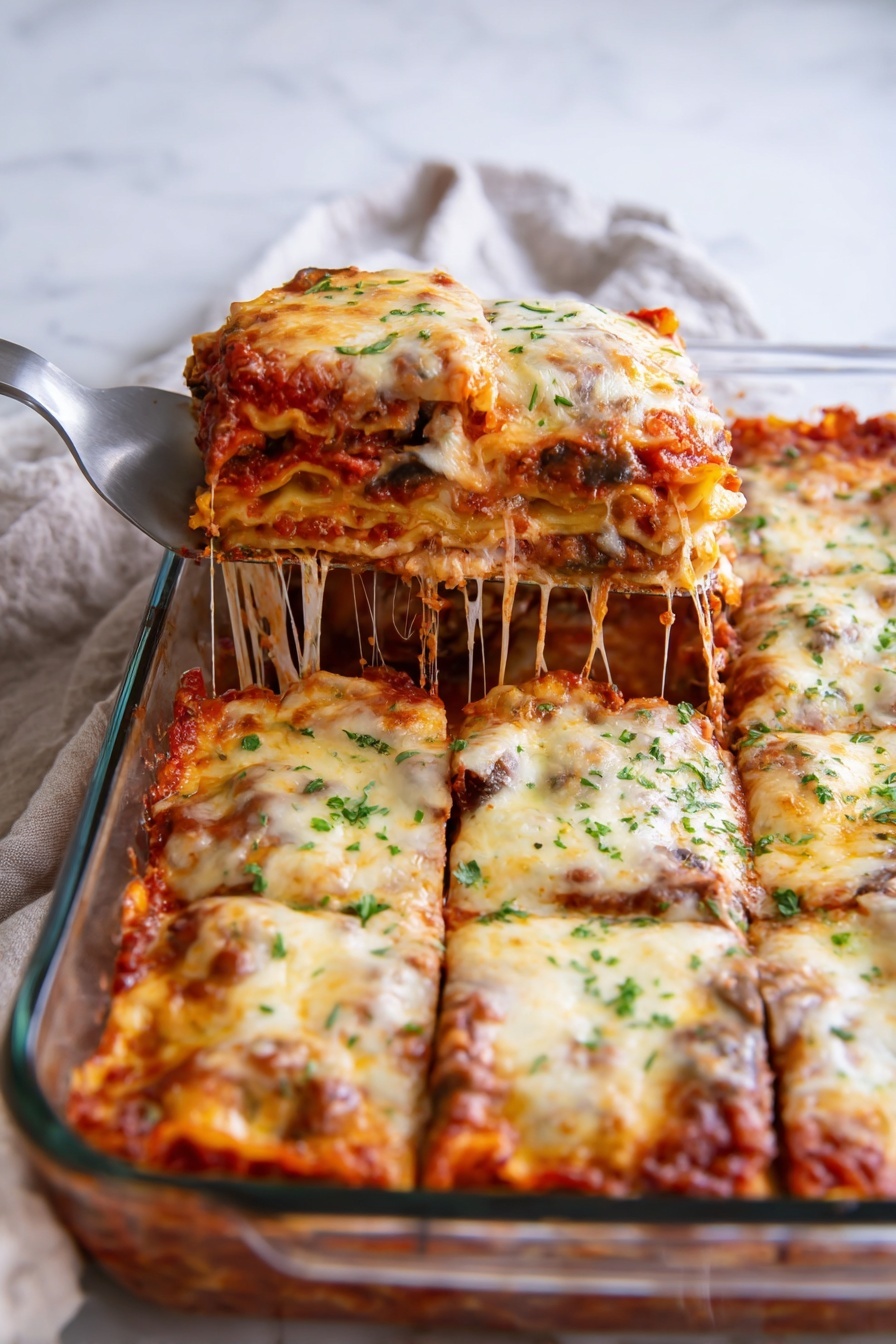
If you’re craving something hearty, comforting, and packed with vibrant flavors, then this Vegetable Lasagna Recipe is going to become your new go-to. I absolutely love how this dish layers tender veggies with creamy ricotta and melty mozzarella—it’s the perfect way to get your greens and still feel like you’re indulging. Trust me, once you try this recipe, you’ll want to make it again and again, whether for family dinners or special gatherings.
Why You’ll Love This Recipe
- Loaded with Real Vegetables: This isn’t just pasta and cheese—there’s zucchini, mushrooms, peppers, and spinach inside, making it downright nutritious.
- Easy No-Boil Noodles: Using oven-ready lasagna noodles means less fuss and less wait time, which I really appreciate on busy weeknights.
- Perfectly Balanced Flavors: The marinara sauce seasoned with Italian herbs and a pinch of red pepper flakes gives just the right kick without overpowering the veggies.
- Family Approved Every Time: My crew goes crazy for this lasagna, and I bet yours will too!

Ingredients You’ll Need
These ingredients come together in harmony to create that classic lasagna taste, but with a fresh vegetable twist. I always recommend shopping for the freshest veggies you can find—they really make a difference in flavor and texture.
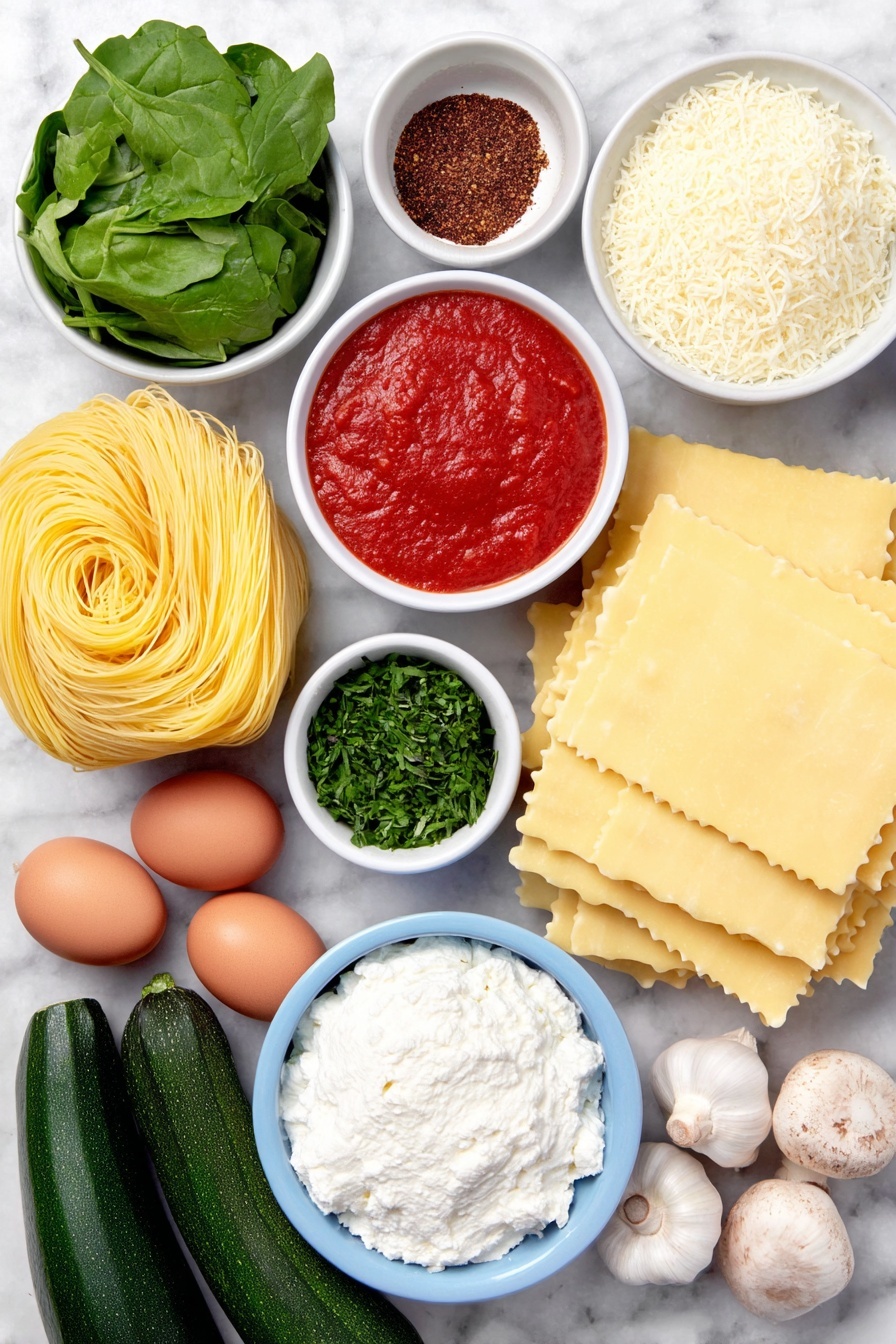
- Olive oil: Use a good quality extra virgin olive oil for the best flavor when sautéing your vegetables.
- Chopped yellow onion: Adds a subtle sweetness that rounds out all the flavors beautifully.
- Red bell pepper: Gives a nice pop of color and a mild sweetness to the veggie mix.
- Cremini mushrooms: They have a deeper flavor than white mushrooms and help add a meaty texture.
- Zucchini: Chopped into half-inch pieces so it cooks evenly without turning mushy.
- Garlic: Freshly minced garlic wakes up the whole dish; don’t skimp on this!
- Marinara sauce: Use your favorite store-bought or homemade sauce for that rich tomato base.
- Dried Italian seasoning: Keeps the flavor traditional and comforting.
- Salt and pepper: To taste — seasoning is everything, so taste as you go.
- Crushed red pepper flakes: Just a pinch to add a gentle heat that lifts the entire dish.
- Fresh parsley: Chopped, it adds brightness and freshness to the sauce.
- Baby spinach: Coarsely chopped, it wilts nicely into the sauce without overwhelming it.
- Egg: Helps bind the ricotta mixture so it layers nicely.
- Ricotta cheese: Creamy and smooth, it’s the perfect contrast to the savory veggies and sauce.
- Oven-ready (no boil) lasagna noodles: Cuts down on prep and keeps things neat and tidy.
- Shredded mozzarella cheese: Melts to gooey perfection and gives that classic lasagna stretch.
- Grated Parmesan cheese: Adds a sharp, nutty finish to the top layers.
- Fresh basil or parsley for serving (optional): A fragrant garnish that makes the dish feel extra special.
Variations
I like to keep this Vegetable Lasagna Recipe flexible—you can swap veggies, cheese, or even tweak seasonings to match what you have in the fridge or your diet preferences.
- Add Mushy Spinach or Kale: Sometimes I substitute or add kale for a heartier green; it adds a lovely earthiness and extra nutrients.
- Make it Vegan: Swap the ricotta and mozzarella for plant-based alternatives and use nutritional yeast in place of Parmesan for a dairy-free version that still tastes fantastic.
- Seasonal Veggie Swap: In the fall, I love adding roasted butternut squash or eggplant to give it a deeper flavor profile.
- Spicy Kick: If you love heat, I sometimes add a few extra red pepper flakes or even a drizzle of chili oil on top before baking.
How to Make Vegetable Lasagna Recipe
Step 1: Sauté Your Veggies to Flavor Town
Start by heating olive oil over medium-high heat in a large skillet or Dutch oven. Toss in your chopped onion, red bell pepper, mushrooms, and zucchini. Cook them down for about 7 to 8 minutes, stirring now and then so everything softens evenly. I find it helpful to keep the heat at medium-high so the veggies sweat out their moisture but still get a little caramelization going, which adds amazing flavor.
Once softened, stir in the minced garlic and let it cook just 30 seconds until fragrant—you don’t want it to burn!
Step 2: Simmer Your Sauce and Add Greens
Pour in the marinara sauce, add the Italian seasoning, salt, pepper, crushed red pepper flakes, and chopped fresh parsley. Give everything a good stir to combine, then lower the heat to a gentle simmer. Let it cook uncovered for 10 to 15 minutes so the flavors meld together beautifully. Right near the end, stir in the chopped baby spinach; it will wilt right down and blend with that sauce, giving you a lovely burst of green in every bite.
Step 3: Prepare the Ricotta Mixture
While your sauce simmers, crack the egg into a bowl and beat it lightly with a fork. This egg is the secret to keeping your ricotta nice and creamy but still firm enough to slice. Mix the ricotta cheese into the egg until smooth. This step helps your layers hold together perfectly, making your lasagna less messy to serve.
Now’s also a great time to shred your mozzarella cheese if it’s not pre-shredded—freshly shredded melts better and tastes fresher, I promise it’s worth the extra minute!
Step 4: Assemble Your Lasagna Layers
Into your trusty 9×13-inch baking dish, start by spreading about 1 cup of the sauce on the bottom—this keeps noodles from sticking and adds flavor from the get-go. Place three oven-ready noodles on top in an even layer. Spread one-third of your remaining sauce over the noodles, then dollop half of the ricotta mixture over the sauce in small spoonfuls. Sprinkle one-third of the mozzarella and Parmesan cheeses evenly on top.
Repeat with another layer: noodles, half of the remaining sauce, the rest of the ricotta, half of the remaining mozzarella, and half of the remaining Parmesan.
For the final top layer, add the last three noodles, cover with the remaining sauce, and sprinkle the remaining mozzarella and Parmesan. This layering method gives you the perfect balance of fresh veggies, creamy cheese, and saucy richness in every bite.
Step 5: Bake to Melty Perfection
Cover your lasagna with foil sprayed lightly on the underside with cooking spray—this keeps the melted cheese from sticking and ripping the top off when you remove the foil. Bake covered in a preheated 375°F oven for 35 minutes. Pro tip: place a rimmed baking sheet on the rack below to catch any drips (because who wants a burnt mess in their oven?).
Once 35 minutes are up, uncover and bake for another 10 to 15 minutes, until you see the cheese bubbling and lightly browned on top. Then, very important, let your lasagna rest for at least 15 minutes before slicing. I say this from experience: skipping this step means a runny, messy lasagna, and nobody wants that. Letting it rest gives everything time to set up beautifully.
Pro Tips for Making Vegetable Lasagna Recipe
- Don’t Overcook Your Veggies: Stop sautéing veggies once softened but still a bit firm—they’ll finish cooking in the oven, preserving texture and flavor.
- Use Fresh Herbs When Possible: Adding fresh parsley and basil really brightens the dish and adds that homemade touch that jarred sauce alone can’t deliver.
- Egg in Ricotta Is a Game-Changer: It keeps your cheese mixture from running all over the place and helps you cut nice, clean slices.
- Let It Rest Before Serving: I can’t stress this enough—resting lets your lasagna firm up and makes serving a breeze without losing those gorgeous layers.
How to Serve Vegetable Lasagna Recipe
Garnishes
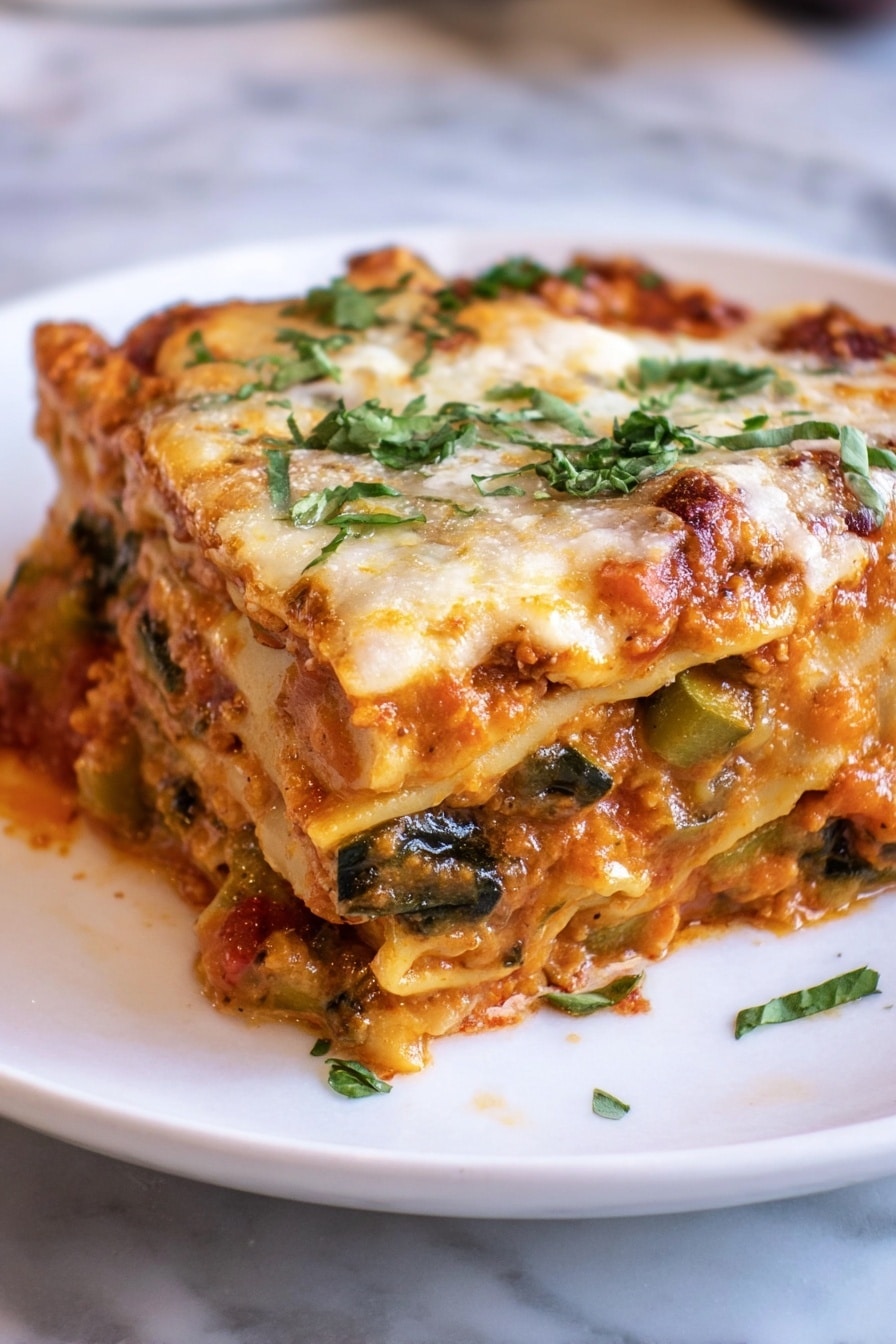
I love to finish this lasagna with a sprinkle of freshly chopped basil or parsley. It adds a little pop of color and a fresh, herbal lift that makes every bite feel bright and special. Sometimes, I even drizzle a tiny bit of good quality olive oil over the top just before serving to add richness and shine.
Side Dishes
To complement the hearty vegetable lasagna, I often serve a crisp green salad with a tangy vinaigrette—it cuts through the richness nicely. Garlic bread or a simple bruschetta are also fantastic on the side if you want to keep the meal Italian-inspired and family-friendly.
Creative Ways to Present
For special occasions, I’ve arranged individual lasagna portions in small ramekins and baked them separately. It makes for a fancy presentation and is perfect for guests since everyone gets their own perfectly layered dish. Another fun idea is to top with a little extra fresh herbs and edible flowers for a festive touch.
Make Ahead and Storage
Storing Leftovers
I store leftover vegetable lasagna covered tightly with foil or plastic wrap in the fridge for up to 4 days. It holds up really well, and actually tastes even better the next day once all the flavors have had time to mingle. Just be sure to keep it sealed so it doesn’t dry out.
Freezing
I’ve frozen this lasagna both before and after baking. If freezing before baking, assemble it in a freezer-safe dish, cover tightly, and freeze for up to 3 months. When ready, bake it covered longer than usual and keep an eye on it. After baking, freeze portioned leftovers wrapped well to maintain freshness. Thaw overnight in the fridge before reheating.
Reheating
I reheat leftovers in a 350°F oven covered with foil until warmed through, usually about 20 minutes. This method keeps the cheese melty and prevents the lasagna from drying out. If you’re in a rush, the microwave works fine—just cover it with a lid or damp paper towel and heat in short bursts to avoid rubbery cheese.
FAQs
-
Can I use regular lasagna noodles instead of no-boil noodles?
Yes, you can substitute regular lasagna noodles, but you’ll need to boil them first according to package instructions before layering. No-boil noodles are convenient and save time, but regular noodles work just fine if you prefer.
-
Is this vegetable lasagna recipe suitable for freezing?
Absolutely! You can freeze it either before or after baking. Just be sure to wrap it well and thaw thoroughly before reheating to keep that melty, delicious texture.
-
Can I add other vegetables to this lasagna?
Definitely—feel free to customize! Spinach, eggplant, butternut squash, or kale all make great additions. Just adjust your sauté time based on the veggies you add so everything cooks evenly.
-
How do I prevent the lasagna from being watery?
Cooking the vegetables until tender but not mushy is key, as it releases moisture before baking. Also, allowing the lasagna to rest after baking lets excess moisture absorb back in, so don’t skip that step!
Final Thoughts
This Vegetable Lasagna Recipe has truly become a family favorite in my home, and it’s easy to see why. I love how all the fresh veggies blend in with creamy cheeses and savory sauce to create a dish that’s both comforting and nourishing. Whether you’re cooking for a crowd or just yourself, this recipe is approachable, satisfying, and, in my opinion, downright delicious. Give it a try—you’ll be amazed at how much your family enjoys a veggie-packed meal that doesn’t skimp on flavor.
Print
Vegetable Lasagna Recipe
- Prep Time: 45 minutes
- Cook Time: 50 minutes
- Total Time: 1 hour 35 minutes
- Yield: 12 servings
- Category: Main Dish
- Method: Baking
- Cuisine: Italian
- Diet: Vegetarian
Description
This Best Vegetable Lasagna recipe is a hearty and satisfying vegetarian dish loaded with sautéed vegetables, a rich marinara sauce, and layers of ricotta, mozzarella, and Parmesan cheeses. It’s a comforting Italian classic, made easier with no-boil lasagna noodles and baked to bubbly perfection in the oven. Perfect for family dinners or special gatherings, this lasagna balances fresh produce and creamy cheeses for an irresistible meal.
Ingredients
Vegetables and Sauce
- 2 tablespoons olive oil
- 1 ½ cups chopped yellow onion
- 1 red bell pepper, chopped
- 8 ounces cremini mushrooms, chopped
- 2 medium zucchini, chopped into ½-inch pieces
- 4 cloves garlic, minced
- 48 ounces marinara sauce
- 1 teaspoon dried Italian seasoning
- Salt and pepper, to taste
- 2 pinches crushed red pepper flakes, or to taste
- ¼ cup chopped fresh parsley
- 5 ounces baby spinach, coarsely chopped
Cheese Mixture and Noodles
- 1 egg
- 1 cup ricotta cheese (8 ounces)
- 9 oven ready (no boil) lasagna noodles
- 16 ounces shredded mozzarella cheese (about 4 cups)
- ½ cup grated Parmesan cheese
For Serving (Optional)
- Chopped fresh basil or parsley
Instructions
- Preheat the Oven. Preheat your oven to 375° F (190° C) to get it ready for baking your lasagna.
- Sauté the Vegetables. Heat the olive oil in a large skillet or Dutch oven over medium-high heat. Add the chopped onion, red bell pepper, mushrooms, and zucchini. Cook, stirring occasionally, until the vegetables are softened and slightly browned, about 7 to 8 minutes. Then add the minced garlic and cook for an additional 30 seconds, stirring constantly to avoid burning.
- Simmer the Sauce. Pour in the marinara sauce along with the dried Italian seasoning, salt, pepper, crushed red pepper flakes, and chopped fresh parsley. Stir well and bring to a simmer. Reduce the heat to low and let it cook gently for 10 to 15 minutes, stirring occasionally to meld the flavors. Finally, stir in the chopped fresh spinach until just wilted.
- Prepare the Ricotta Mixture. While the sauce simmers, crack the egg into a medium-sized bowl and beat lightly with a fork. Add the ricotta cheese and mix thoroughly until smooth and combined. This is also a good time to shred the mozzarella cheese if not pre-shredded.
- Assemble the Lasagna – First Layer. Spoon about 1 cup of the sauce into the bottom of a 9×13-inch baking dish. Layer 3 no-boil lasagna noodles evenly over the sauce. Spread one-third of the remaining sauce over the noodles. Using half of the ricotta and egg mixture, drop small spoonfuls evenly on top of the sauce. Sprinkle with one-third of the shredded mozzarella and Parmesan cheese.
- Assemble the Lasagna – Second Layer. Repeat the layering: 3 noodles, half of the remaining sauce, the rest of the ricotta mixture, half of the remaining mozzarella, and half of the remaining Parmesan cheese.
- Assemble the Lasagna – Final Layer. Place the final 3 noodles on top, spread with the remaining sauce, then top with the leftover mozzarella and Parmesan cheeses.
- Prepare for Baking. Cover the assembled lasagna with a piece of foil that has been sprayed with cooking spray on the underside to prevent sticking. Place a rimmed baking sheet on the oven rack below the lasagna to catch any potential drips.
- Bake Covered. Bake the lasagna covered with foil in the preheated oven for 35 minutes.
- Bake Uncovered. Remove the foil and bake uncovered for an additional 10 to 15 minutes, or until the lasagna is hot, bubbling on the sides, and the cheese is lightly browned on top.
- Rest and Serve. Let the lasagna rest for 15 minutes before slicing and serving. This resting time allows the layers to set and prevents a soupy texture. Garnish with chopped fresh basil or parsley, if desired.
Notes
- Be sure to let the lasagna rest after baking to allow it to set properly.
- You can customize the vegetables based on seasonality or preference.
- If you don’t have fresh spinach, frozen chopped spinach (thawed and well-drained) can be used.
- Using no-boil lasagna noodles saves time and effort.
- For a spicier lasagna, increase the crushed red pepper flakes.
- Leftovers can be refrigerated for up to 3 days or frozen for longer storage.
Nutrition
- Serving Size: 1 slice (1/12 of recipe)
- Calories: 320
- Sugar: 7g
- Sodium: 550mg
- Fat: 15g
- Saturated Fat: 7g
- Unsaturated Fat: 6g
- Trans Fat: 0g
- Carbohydrates: 30g
- Fiber: 5g
- Protein: 18g
- Cholesterol: 55mg