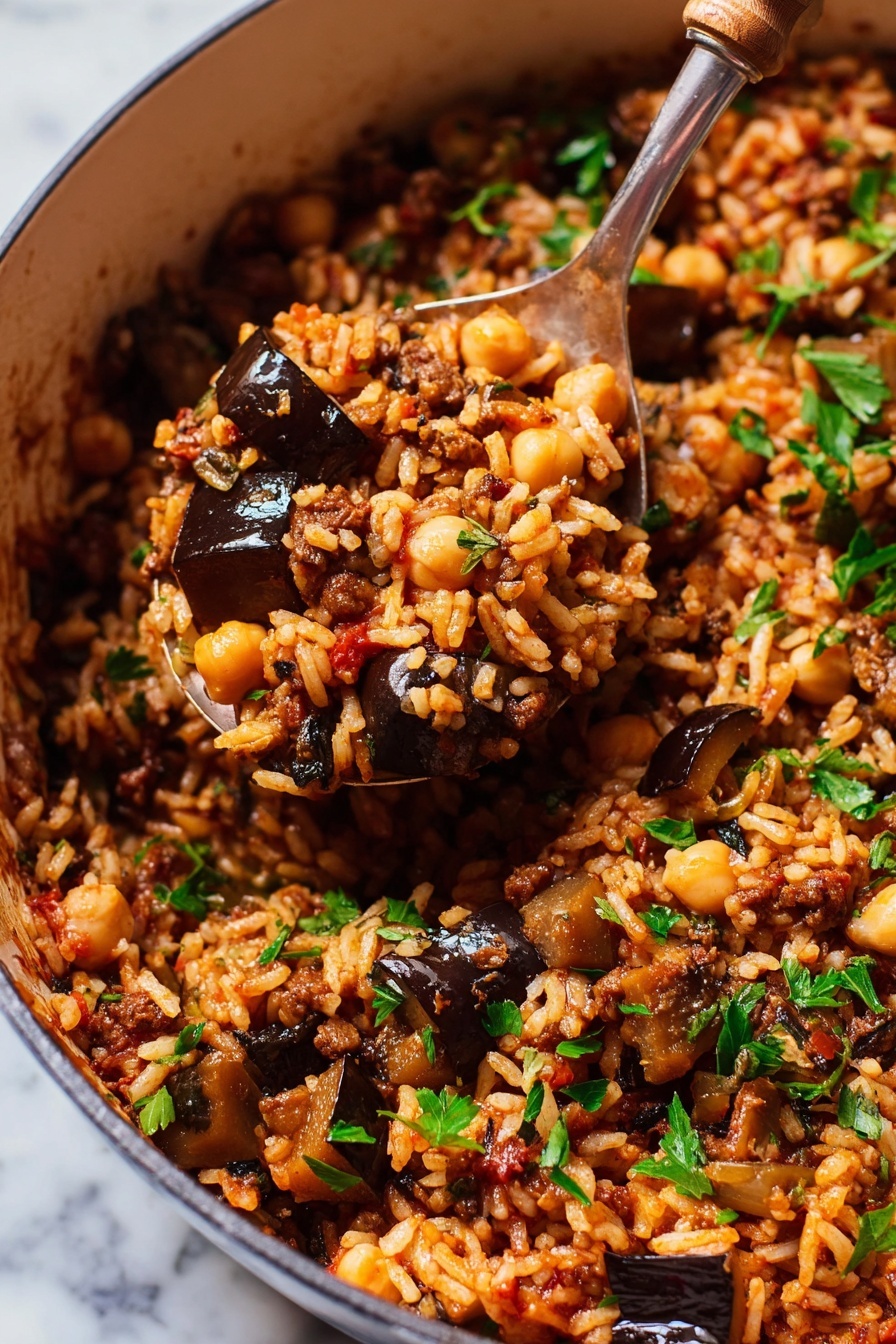
If you’re craving a cozy, satisfying meal that brings together hearty beef, tender eggplant, and fluffy rice, then you’re in the right place. This Beef Eggplant Rice Pilaf Recipe is one of those gems I keep coming back to, especially on chillier nights or when I want comfort food without the fuss. It’s not only packed with flavors that sing together beautifully, but it’s also pretty straightforward to make – you’ll love how everything melds in a single pot.
Why You’ll Love This Recipe
- One-Pot Wonder: Everything cooks in a single pot, saving you time on cleanup and making the process straightforward.
- Balanced Flavors: The savory beef, aromatic eggplant, and fragrant basmati rice create a perfect harmony in every bite.
- Versatile & Customizable: You can tweak proteins or add beans to suit your taste or dietary needs effortlessly.
- Comforting and Hearty: It’s filling enough for a family dinner, yet elegant enough to serve guests and impress them.

Ingredients You’ll Need
This Beef Eggplant Rice Pilaf Recipe shines because of its simple, fresh ingredients that complement each other so well. When you shop, look for firm eggplants without blemishes and fragrant basmati rice to get that perfect texture and aroma.
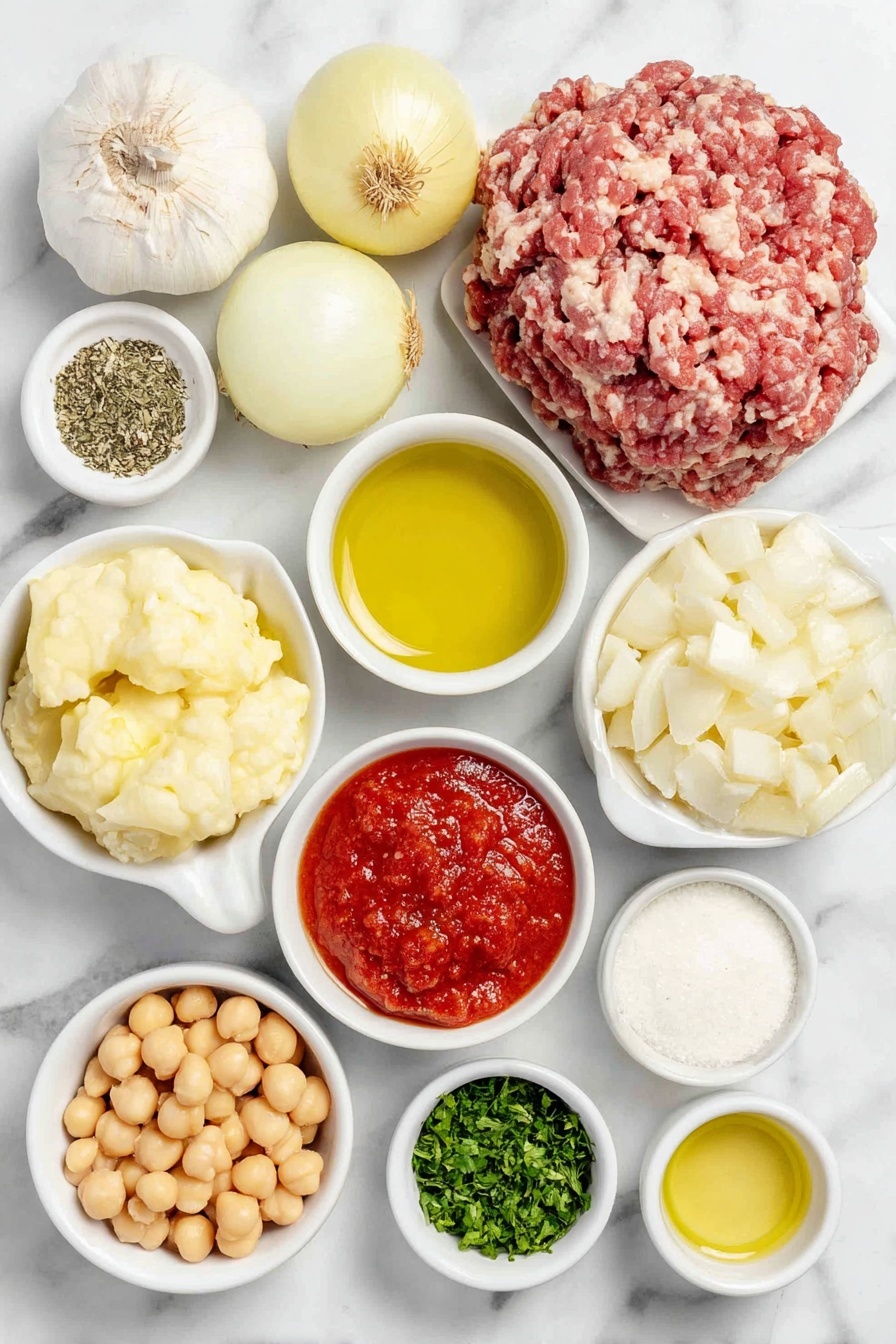
- Olive oil: Use a good-quality extra virgin olive oil for that rich, fruity flavor.
- Garlic cloves: Freshly minced garlic gives a fragrant punch to the beef base.
- Onion: Diced onion adds a sweet, savory depth to the pilaf.
- Beef mince / ground beef: I like lean beef but a bit of fat helps with flavor and moistness.
- Cooking salt / kosher salt: Balances all flavors; kosher salt works best for seasoning evenly.
- Dried oregano: This herb brings a Mediterranean touch, which pairs deliciously with the beef and eggplant.
- Tomato paste: Don’t skip cooking this down—it really boosts the richness.
- Eggplant: Cut into uniform cubes, no larger than 1.5 cm for even cooking.
- Pinot noir or dry red wine (optional): Adds depth, but feel free to leave it out if you prefer alcohol-free cooking.
- Basmati rice: Its fragrance and texture make it ideal here; avoid jasmine for this dish.
- Chickpeas or other beans: Adds texture and nutrition; I love canned for convenience.
- Crushed tomato: Forms a tasty tomato base that blends with the broth.
- Chicken stock/broth: Use low sodium to control seasoning better.
- Black pepper: Freshly ground is best for that peppery kick.
- Parsley (optional): Freshly chopped for a bright finishing touch.
- Extra virgin olive oil (for drizzling): A final drizzle on serving adds a lovely richness and shine.
- Greek yogurt (optional): A dollop adds creaminess and a tangy contrast that’s irresistible.
Variations
I love making this Beef Eggplant Rice Pilaf Recipe my own by swapping out ingredients or tweaking flavors depending on what’s in my pantry or who I’m cooking for. Don’t hesitate to personalize it—it’s really forgiving.
- Protein Switch: I once used ground lamb instead of beef, and my family was thrilled with the gamey, rich twist that felt more traditionally Mediterranean.
- Bean Choices: Swapping chickpeas for black beans or cannellini works well, especially if you want more protein or a different texture.
- Spice It Up: Adding a pinch of smoked paprika or a dash of cayenne brought new warmth and complexity to the dish during a week I wanted something with a little extra kick.
- Vegetarian Version: Skip the beef and increase chickpeas and eggplant, then add mushrooms for an umami boost—I’ve done this for a meatless Monday and it didn’t disappoint.
How to Make Beef Eggplant Rice Pilaf Recipe
Step 1: Prepare and Sauté Your Aromatics and Beef
Start by heating olive oil in a large pot over high heat. Toss in your diced onion and minced garlic, cooking them just about 2 minutes until fragrant and translucent—don’t let the garlic brown or it will get bitter. Then add your ground beef, breaking it apart with your spoon or spatula. Cook until the beef loses its red color completely. This step is key for even cooking and flavor absorption. When your beef is nearly cooked, sprinkle in salt and dried oregano to build that familiar Mediterranean profile. Add the tomato paste and stir it in well; give it at least a minute over heat to cook off the raw taste. Trust me, this cooking-down step is one I discovered makes all the difference for an incredibly deep flavor.
Step 2: Add Eggplant and Deglaze with Wine
Next, add your nicely cubed eggplant to the pot. You’ll want those pieces no bigger than 1.5 cm—this ensures they cook through and get tender without turning mushy. Stir the eggplant into the beef so each cube gets coated in that lovely tomato and meat mixture. Pour in the red wine, if using, and bring to a gentle simmer; this helps lift the flavors from the bottom of the pot. Scrape the base well while it simmers, then let the wine mostly evaporate—it takes the sharp edges off and deepens the taste.
Step 3: Incorporate Rice, Broth, Tomatoes, and Beans
Stir in your basmati rice, making sure every grain is coated with the juices. Then add the can of chickpeas, crushed tomatoes, chicken broth, remaining salt, and pepper. Give it all one last thorough stir to combine. Bring everything to a simmer—you want gentle bubbles spread evenly across the surface. This signals the perfect time to cover the pot and reduce the heat to medium-low or low so the rice can steam gently without burning or sticking. This melding step is where the magic really happens.
Step 4: Patience is Key — Let the Rice Cook and Rest
Keep the lid on and resist the urge to peek or stir for 20 minutes. This can be hard, I know—I’m guilty of lifting the lid early sometimes! But sticking to this rule ensures the rice absorbs all that lovely broth and flavors without getting mushy. After 20 minutes, remove the pot from the heat but keep the lid on and let it rest for another 10 minutes. This resting time lets any residual liquid absorb fully so the rice finishes cooking gently and the texture is just right.
Step 5: Final Touches — Serve and Enjoy!
Give the pilaf a gentle toss—you’ll find it juicy but not sticky or mushy at all. Portion it into bowls, drizzle with a little extra virgin olive oil, and sprinkle fresh parsley on top for that pop of color and freshness. If you’re feeling indulgent (and who wouldn’t?), add a dollop of cool Greek yogurt for creaminess and a bit of tang. Dig in immediately and savor the layers of flavor you just crafted!
Pro Tips for Making Beef Eggplant Rice Pilaf Recipe
- Eggplant Cutting: I learned that keeping eggplant cubes small and uniform (about 1.5 cm) ensures they cook evenly and avoid being underdone or watery.
- Don’t Skip Cooking Tomato Paste: Sautéing tomato paste with beef deepens the flavor and eliminates raw tomato sharpness, making your pilaf taste rich and balanced.
- Simmer Before Covering: Let the liquid come to a gentle simmer with bubbles all over—not just edges—before covering and lowering heat to avoid a soggy or uneven cook.
- Resting Time: Letting the pilaf rest with the lid on after cooking helps absorb residual liquid and improves texture; I never skip this step!
How to Serve Beef Eggplant Rice Pilaf Recipe
Garnishes
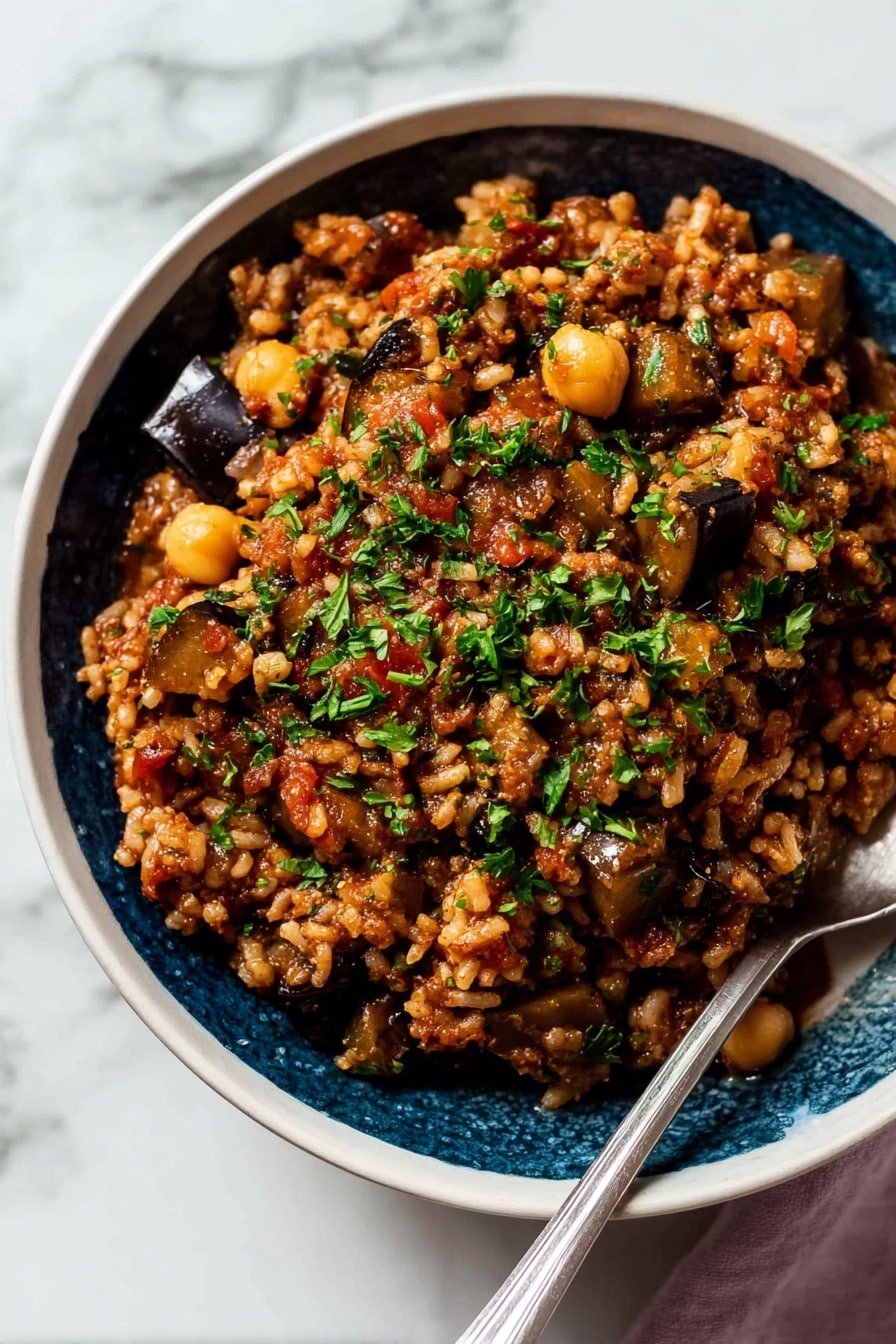
My go-to garnish is fresh parsley chopped finely—it adds a burst of color and fresh herbal notes that cut through the richness. I almost always drizzle a bit of extra virgin olive oil on top just before serving; it lends a silky finish that makes the dish feel a bit luxurious. If you’re up for it, a dollop of Greek yogurt or tzatziki on the side adds a creamy coolness that balances out the warm pilaf beautifully.
Side Dishes
I often pair this rice pilaf with a simple Greek salad—think cucumbers, tomatoes, red onion, kalamata olives, and feta cheese dressed with lemon and olive oil. It adds a crisp, refreshing contrast. Sometimes, I like steamed green beans or sautéed spinach on the side for a bit more veggie variety and color on the plate.
Creative Ways to Present
For special occasions, I’ve plated this pilaf inside hollowed-out roasted eggplants; it makes a stunning presentation and doubles the eggplant impact. Another fun presentation is layering the pilaf in a wide, shallow baking dish and topping it with grilled slices of eggplant or crumbled feta before serving family-style, making it feel festive and vibrant.
Make Ahead and Storage
Storing Leftovers
If you have leftovers (and you might!), store them in an airtight container in the fridge. I recommend adding a tiny splash of water before reheating to keep the rice from drying out. Leftovers stay delicious for about 3 days.
Freezing
I’ve frozen this Beef Eggplant Rice Pilaf Recipe a couple of times with good results. Just cool it completely, portion it into freezer-safe containers, and freeze for up to 2 months. When thawed, it reheats nicely, though the texture of the eggplant softens a bit—still tasty but worth keeping in mind.
Reheating
Reheat gently on the stove with a splash of water or broth to revive the rice’s moisture and avoid drying out. You can also microwave it covered, stirring halfway through. Adding a fresh drizzle of olive oil or a spoonful of yogurt after reheating brings back some of that just-cooked magic.
FAQs
-
Can I use a different type of rice for this Beef Eggplant Rice Pilaf Recipe?
Basmati rice is ideal here because of its fragrance and firm texture that holds up well during steaming. You can substitute with long grain or medium grain rice, but avoid jasmine or short grain rice as they tend to get too soft or mushy for this method. Brown rice or wild rice won’t work well without adjusting cooking time and liquid significantly.
-
Is the red wine necessary in the recipe?
Nope! The wine adds a lovely depth and helps deglaze the pan, but if you prefer not to use alcohol, just skip it. The recipe still tastes fantastic and rich without it thanks to the tomato paste and stock.
-
Can I make this recipe vegetarian?
Absolutely! Replace the beef with extra beans or add mushrooms to replicate umami flavors. You can also use plant-based ground meat alternatives. Just follow the same cooking method, adjusting cooking times if needed.
-
How do I prevent the eggplant from becoming mushy?
Cut the eggplant into 1.5 cm cubes or smaller and avoid overcrowding the pot so they cook evenly. Also, letting them brown slightly helps maintain a nice texture. Some people like to salt the eggplant before cooking to reduce bitterness and excess moisture – if you do, rinse and pat dry before adding to the pot.
-
Can I prepare this dish ahead of time?
Yes! You can prep the ingredients in advance and assemble when ready to cook. The cooked dish tastes great reheated, and leftovers keep well in the fridge for up to 3 days or can be frozen for longer storage.
Final Thoughts
Honestly, this Beef Eggplant Rice Pilaf Recipe has become one of my favorite go-to meals for a reason. It’s cozy, flavorful, and always hits the spot whether it’s a family dinner or a casual weeknight supper. I love how it balances richness and freshness, and it feels like a hug on a plate. Give it a try—you’ll be surprised how simple ingredients come together into something so special, and I’m confident it’ll have a place in your recipe rotation too!
Print
Beef Eggplant Rice Pilaf Recipe
- Prep Time: 15 minutes
- Cook Time: 30 minutes
- Total Time: 45 minutes
- Yield: 5 servings
- Category: Main Course
- Method: Stovetop
- Cuisine: Greek/Mediterranean
Description
This Moussaka Beef Rice Pilaf is a comforting Mediterranean-inspired dish featuring tender ground beef, savory eggplant, and fragrant basmati rice cooked in a rich tomato and broth mixture. Enhanced with garlic, oregano, and optional red wine, this one-pot recipe delivers layered flavors and a juicy, satisfying texture perfect for an easy family meal or meal prep.
Ingredients
Main Ingredients
- 2 tbsp olive oil
- 4 garlic cloves, finely minced
- 1 onion, diced
- 500g / 1 lb beef mince (ground beef) or lamb
- 1/2 tsp kosher salt (for beef)
- 1 1/2 tbsp dried oregano
- 2 tbsp tomato paste
- 300g / 10oz eggplant, cut into 1.5cm / 3/5″ cubes
- 1/3 cup Pinot Noir or other dry red wine (optional)
- 1 cup basmati rice, uncooked
- 400g / 14 oz can chickpeas, drained
- 400g / 14 oz can crushed tomatoes
- 1 1/2 cups low sodium chicken stock/broth
- 1 1/4 tsp kosher salt (for broth)
- 1/2 tsp black pepper
To Serve
- 1 tbsp parsley, finely chopped (optional)
- Extra virgin olive oil, for drizzling
- Dollop of Greek yogurt (optional)
Instructions
- Prepare Eggplant: Ensure the eggplant cubes are cut no larger than 1.5 cm (1/2 inch) to allow them to cook properly and absorb the flavors thoroughly.
- Cook Beef Mixture: Heat olive oil in a large pot over high heat. Add diced onion and minced garlic, sautéing for 2 minutes until fragrant. Add ground beef and cook, breaking it up, until no pink remains. Season with 1/2 tsp kosher salt and oregano, continue cooking for 1 minute. Stir in tomato paste and cook for another minute to intensify the flavor.
- Deglaze and Add Eggplant: Add eggplant cubes to the pot and coat them with the beef juices. Pour in the red wine (if using), bring to a simmer and scrape the bottom of the pot to lift browned bits. Allow most of the wine to evaporate to concentrate flavors.
- Add Rice and Broth: Stir in the uncooked basmati rice to coat it with the mixture. Add chickpeas, crushed tomatoes, chicken stock, remaining salt (1 1/4 tsp), and black pepper. Stir well and bring to a gentle simmer.
- Cook Rice: Once gentle bubbles form evenly across the surface (not just edges), cover the pot with a lid and reduce heat to medium-low or low. Cook undisturbed for 20 minutes without stirring or lifting the lid to ensure perfect steaming.
- Rest the Pilaf: Remove the pot from heat and keep the lid on. Let it rest for 10 minutes so the residual steam finishes cooking the rice and absorbs any remaining liquid.
- Serve: Fluff the rice gently to combine all ingredients. Serve divided into bowls, drizzle with extra virgin olive oil, sprinkle with parsley, and add a dollop of Greek yogurt if desired. Enjoy your flavorful Moussaka Beef Rice Pilaf!
Notes
- Protein options: Lamb works equally well. Chicken, turkey, and pork can be used but won’t produce the traditional Greek flavor profile.
- Eggplant: No need to peel as modern eggplants have minimal bitterness. For extra caution, salt eggplant cubes with 1/4 tsp salt and leave in a colander for 30 minutes, then pat dry before cooking.
- Rice: Basmati rice is preferred for its fragrance. Long or medium grain rice can be used; avoid jasmine rice (too soft), short grain rice (gets too soft), and non-traditional grains like brown rice, wild rice, or quinoa.
- Cooking tomato paste: Cooking the tomato paste thoroughly enhances flavor and removes sourness.
- Leftovers: Keep refrigerated up to 3 days. Add a splash of water when reheating to maintain moisture.
Nutrition
- Serving Size: 1 serving (approximately 1/5 recipe)
- Calories: 430 kcal
- Sugar: 6 g
- Sodium: 520 mg
- Fat: 15 g
- Saturated Fat: 4.5 g
- Unsaturated Fat: 10 g
- Trans Fat: 0 g
- Carbohydrates: 45 g
- Fiber: 7 g
- Protein: 28 g
- Cholesterol: 65 mg