If you’re searching for a cake that’s elegant, delicate, and absolutely unforgettable, you’ve got to try this Rose Water Vanilla Layer Cake Recipe. I absolutely love how the subtle floral notes of rose water blend with classic vanilla to create something truly special. When I first baked this layered beauty, my family went crazy for it — and I just knew I had to share every little detail with you so your cake turns out just as magnificent!
Why You’ll Love This Recipe
- Elegant Flavor Profile: The rose water adds a subtle, floral elegance that’s unique but approachable.
- Moist & Tender Cake: Combining sour cream and egg whites yields an incredibly soft texture you’ll adore.
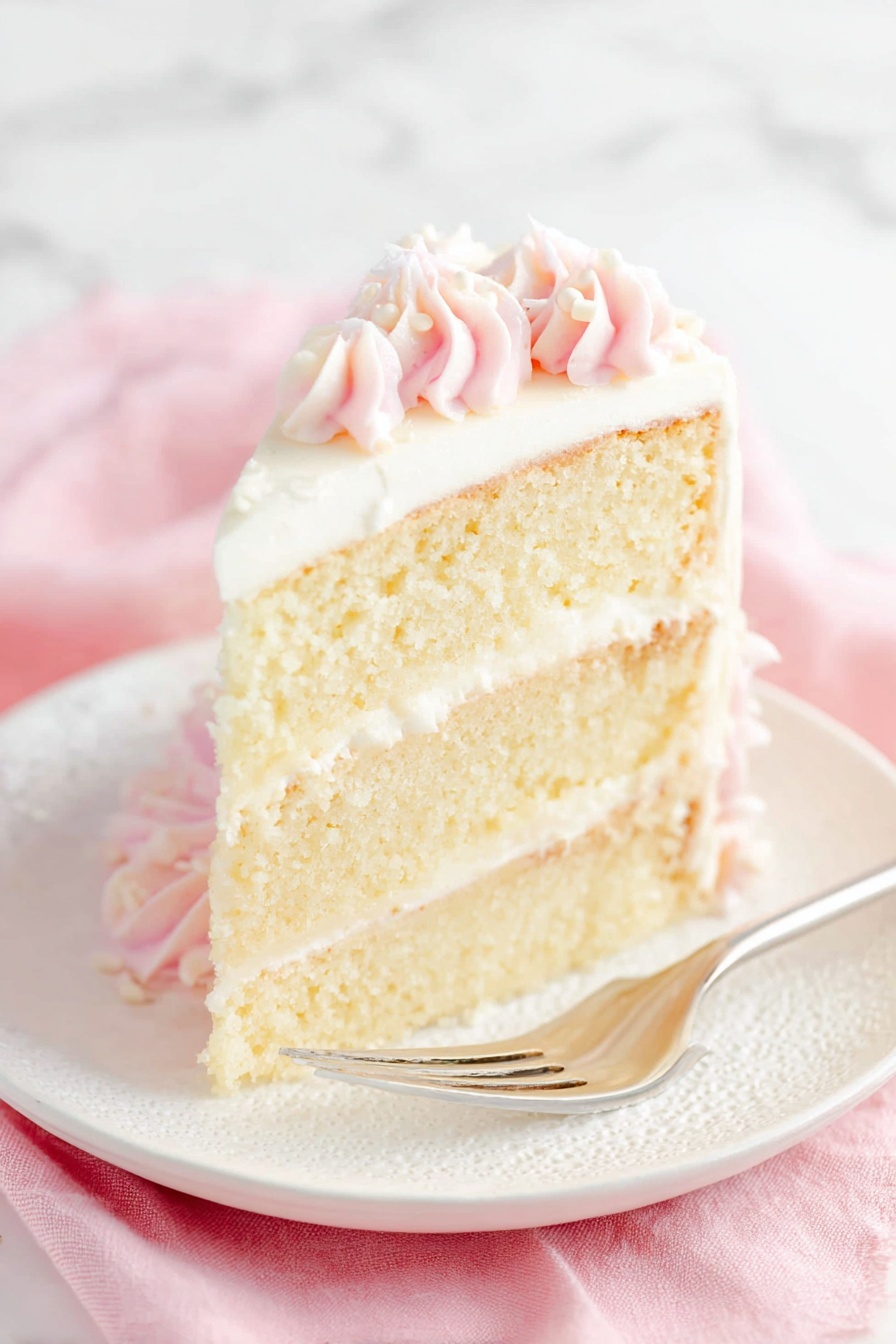
- Beautiful Presentation: The soft pink watercolor buttercream and sparkling sugar make this cake a stunner for any occasion.
- Versatile & Impressive: Whether it’s a birthday or a casual get-together, this cake always wows the crowd.

Ingredients You’ll Need
Each ingredient here plays a vital role in balancing texture and flavor. I always use room temperature eggs and dairy because it helps everything mix more smoothly, giving you that perfect cake crumb.

- Unsalted butter: Using unsalted lets you control the salt level more precisely; plus, room temperature butter creams beautifully with sugar.
- Sugar: Regular granulated sugar works perfectly to give sweetness and structure.
- Sour cream: This adds lovely moisture and a bit of tang, helping the cake stay tender and fresh.
- Vanilla extract: Pure vanilla enriches the cake’s flavor, making it deeply aromatic.
- Egg whites: They lighten the batter, which means fluffy, airy layers you’ll fall for.
- All-purpose flour: The main structure-building ingredient — sifted well to avoid clumps.
- Baking powder: Essential for lift and rise.
- Salt: Just a touch to round out all the sweetness.
- Milk: Room temperature milk keeps the batter smooth and helps with crumb tenderness.
- Water: Also room temperature to maintain batter consistency.
- Salted butter and shortening (for frosting): The combo creates both flavor richness and a stiff, workable buttercream texture.
- Powdered sugar: Make sure it’s sifted for a silky frosting.
- Rose water: The star of the show — just the right amount adds that unmistakable floral note without overpowering.
- Ivory and pink icing colors: Used to create the soft watercolor effect in the frosting.
- White sparkling sugar: Adds a magical touch of sparkle for garnish.
Variations
I like to keep this Rose Water Vanilla Layer Cake Recipe classic, but you can absolutely customize it depending on your mood or occasion.
- Variation: I once added a handful of crushed pistachios between the layers for a crunchy contrast — it added great texture and nuttiness without overpowering the delicate floral flavors.
- Dairy-Free Option: Swap the butter with a vegan substitute and use coconut cream instead of sour cream — it’s a little different but still super tasty.
- Flavor Twist: You can infuse the frosting with a hint of cardamom or even add food-grade edible rose petals on top for a stunning finish.
How to Make Rose Water Vanilla Layer Cake Recipe
Step 1: Prep and Cream Like a Pro
Start by prepping your cake pans — greased sides with parchment circles on the bottom make it so much easier to remove the cakes later without cracking. Preheat your oven to 350°F (176°C). I always cream the butter and sugar for a full 3-4 minutes; don’t rush this part because air incorporated here helps create that light crumb everyone raves about.
Step 2: Build Your Batter with Care
Once your butter and sugar are fluffy, add in the sour cream and vanilla extract — this adds a subtle moistness and depth. Then mix in your egg whites in two batches; using only whites keeps the cake lighter. Make sure to scrape down the sides after each addition so everything blends perfectly.
Step 3: Combine Dry and Wet Like a Champ
Mix your dry ingredients separately: flour, baking powder, and salt. Combine the milk and water separately as well — both at room temperature, which I learned prevents the batter from lumpy spots. Add half of the dry to the wet batter and mix well, then add the milk-water mix, and finally the rest of the dry. Keep scraping the bowl edges gently — this is key to an even batter consistency.
Step 4: Bake and Cool Like a Pro
Divide your batter evenly among the three pans — I usually weigh it for exactness, but even scooping carefully works fine. Bake for about 21-23 minutes or until a toothpick inserted comes out with just a few moist crumbs. Don’t overbake, or you’ll lose that tender crumb. Cool in pans for 2-3 minutes, then turn out onto wire racks to fully cool — this step helped keep my layers from sogging and made frosting much easier.
Step 5: Make the Dreamy Rose Water Buttercream
Beat salted butter and shortening together until smooth — this combo gives a lovely flavor and frosting stability. Add powdered sugar slowly to keep things smooth, then mix in rose water and vanilla along with water or milk to reach the perfect spreadable consistency. Don’t forget to color most of the frosting ivory before the last step where you add pink for that graceful watercolor effect.
Step 6: Assemble and Decorate Like an Artist
Trim the cake domes with a serrated knife to get flat layers — trust me, it makes stacking so much easier and results in a prettier cake. Layer with frosting between each tier, about one cup per layer is a good rule, then frost the outside smoothly. Use a bit of the pink tinted buttercream to add that dreamy watercolor effect — I found adding a thin layer with an offset spatula and then wiping off excess helps control the pattern. Pipe rosettes on top and sprinkle with sparkling sugar to add a festive twinkle. It’s so rewarding to see how your artistic touches come alive here!
Pro Tips for Making Rose Water Vanilla Layer Cake Recipe
- Room Temperature Ingredients: I can’t stress this enough — it helps your batter and frosting blend smoothly for the best texture.
- Don’t Skip Scraping: Keep scraping your bowl sides during mixing to avoid uneven pockets of flour or dry ingredients.
- Trim the Cake Domes: Smoothing the layers before stacking means less crumb get in your frosting and a much neater cake.
- Cold Cakes Make Frosting Easier: Chilling your cakes before frosting helps prevent crumbs from mixing in — trust me, the difference is huge.
How to Serve Rose Water Vanilla Layer Cake Recipe
Garnishes
I love topping this cake with delicate edible rose petals for a natural floral touch. The sparkling sugar sprinkles add a pretty shimmer that catches the light beautifully, making the presentation instantly festive. If I’m feeling playful, a few fresh raspberries on the side complement the rose and vanilla flavors perfectly.
Side Dishes
Serving this cake alongside a simple mixed green salad with a citrus vinaigrette works surprisingly well — the freshness balances the rich sweetness. For drinks, I like a cup of jasmine tea or even some chilled champagne when I want to go all out with celebrations.
Creative Ways to Present
I once made a mini version of this Rose Water Vanilla Layer Cake Recipe as individual cupcakes for a bridal shower, piping the pink rosettes on each — everyone loved the personal little touch. For a larger event, stacking tiers with fresh flowers pushed in between the layers looks stunning and adds a real wow factor.
Make Ahead and Storage
Storing Leftovers
After serving, I store leftover cake slices in an airtight container in the fridge to keep that frosting nice and stable. It usually stays fresh for up to 3 days — a fridge is best because of the buttercream, otherwise it softens and melts quickly at room temperature.
Freezing
This cake freezes surprisingly well! I wrap fully assembled cakes tightly in plastic wrap and then foil, or freeze single slices in airtight containers. When you’re ready to enjoy, thaw in the fridge overnight — it keeps the texture and flavor beautifully intact.
Reheating
Because this cake is best served chilled, I don’t recommend warming leftover slices. But if you want the buttercream softer, bringing it to room temperature for about 30 minutes works best — your fork will glide through silky smooth without the frosting melting.
FAQs
-
Can I use whole eggs instead of just egg whites in this cake?
You can use whole eggs, but the texture will be denser and less airy. Egg whites contribute to the lightness of the layers, so I recommend sticking to the recipe for that fluffy, tender crumb.
-
Is rose water necessary for this cake?
Rose water is the signature flavor here, adding that delicate floral note that sets this cake apart. If you’re out of it, you could substitute a little almond or orange blossom water, but the cake won’t have the exact same charm.
-
How do I get the smoothest buttercream for frosting?
Using room temperature butter and shortening and adding powdered sugar gradually helps. Also, beating on medium-high speed until silky smooth ensures no lumps. Adding water or milk little by little adjusts the consistency perfectly.
-
Can I make this cake gluten-free?
Absolutely! Use a 1-to-1 gluten-free flour blend designed for baking. Just be mindful that texture and rise might vary slightly, so keep an eye during baking and test doneness with a toothpick.
-
How far in advance can I make this cake?
You can bake the layers a day ahead and keep them wrapped at room temperature or in the fridge. Assemble and frost on the day you plan to serve for the freshest taste and best presentation.
Final Thoughts
This Rose Water Vanilla Layer Cake Recipe is truly a standout in my baking repertoire — it’s elegant without being overwhelming, and it pairs wonderful subtle sweetness with floral charm. I encourage you to try it for your next special occasion or whenever you just want to treat yourself and loved ones to something a little extraordinary. Believe me, once you taste it, you’ll have it bookmarked for life — whether you’re an experienced baker or just getting started, this recipe is a joyful journey worth taking.
Print
Rose Water Vanilla Layer Cake Recipe
- Prep Time: 45 minutes
- Cook Time: 23 minutes
- Total Time: 1 hour 8 minutes
- Yield: 12–14 slices
- Category: Dessert
- Method: Baking
- Cuisine: American
Description
This elegant Rose Water Vanilla Layer Cake features moist vanilla sponge layers infused with delicate rose water buttercream. Perfect for special occasions, this cake combines classic vanilla flavors with a subtle floral twist, piped with pink rosettes and a sparkling sugar finish for a beautiful presentation.
Ingredients
Vanilla Cake
- 3/4 cup (168g) unsalted butter, room temperature
- 1 1/2 cups (310g) sugar
- 3/4 cup (173g) sour cream, room temperature
- 1 tbsp vanilla extract
- 6 large egg whites, room temperature
- 2 1/2 cups (325g) all purpose flour
- 4 tsp baking powder
- 1/2 tsp salt
- 3/4 cup (180ml) milk, room temperature
- 1/4 cup (60ml) water, room temperature
Rose Water Buttercream
- 1 1/2 cups (336g) salted butter
- 1 1/4 cups (237g) shortening
- 10 1/2 cups (1208g) powdered sugar
- 1 tbsp rose water
- 1 tsp vanilla extract
- 5–6 tbsp water or milk
- Ivory icing color
- Pink icing color
- White sparkling sugar
Instructions
- Prepare the Pans and Preheat Oven: Line three 8-inch cake pans with parchment paper circles on the bottom and grease the sides. Preheat your oven to 350°F (176°C).
- Cream Butter and Sugar: In a large mixing bowl, beat together unsalted butter and sugar until light in color and fluffy, which should take about 3-4 minutes. This step is important to ensure a good texture.
- Add Sour Cream and Vanilla: Mix in the sour cream and vanilla extract until well combined.
- Incorporate Egg Whites: Add the egg whites in two batches, mixing well after each addition. Scrape the sides of the bowl as needed to ensure everything is evenly mixed.
- Mix Dry Ingredients and Liquids: In a separate bowl, whisk together the all-purpose flour, baking powder, and salt. In a small measuring cup, combine the milk and water.
- Combine Batter: Add half of the dry ingredients to the batter and mix until just combined. Then add the milk-water mixture and mix well. Finally, add the remaining dry ingredients and mix thoroughly. Continue scraping the bowl’s sides to incorporate all ingredients evenly.
- Divide and Bake: Evenly divide the batter among the three prepared cake pans. Bake for 21-23 minutes or until a toothpick inserted into the center comes out with a few moist crumbs.
- Cool Cakes: Remove the cakes from the oven and let them cool in the pans for 2-3 minutes. Then transfer them to cooling racks to cool completely.
- Make the Buttercream: In a large bowl, beat together the salted butter and shortening until smooth.
- Add Powdered Sugar and Flavorings: Gradually add half of the powdered sugar to the butter mixture and beat until smooth. Then add rose water, vanilla extract, and 4-5 tablespoons of water or milk, mixing until smooth.
- Add Remaining Sugar: Slowly add the remaining powdered sugar and continue beating until smooth. Add additional water or milk as needed to reach desired consistency.
- Color the Frosting: Tint the buttercream with ivory icing color, reserving pink icing color for later steps.
- Level Cake Layers: Using a large serrated knife, trim the domed tops off the cakes to create flat layers for stacking.
- Assemble Cake Layers: Place the first cake layer on a serving plate or cake board. Spread about 1 cup of rose water frosting evenly over the top.
- Add Second Layer: Place the second cake layer on top and spread another cup of frosting evenly.
- Top with Final Layer and Crumb Coat: Add the final cake layer and cover the entire cake with frosting, smoothing it for a clean finish. Refer to your favorite frosting tutorial or video if needed.
- Apply Pink Frosting Details: Tint the remaining frosting with a small amount of pink icing color. Use an offset spatula to apply a thin, watercolor-like layer of pink frosting around the cake, adjusting thickness as desired.
- Pipe Rosettes: Using the remaining pink frosting and a piping tip such as Ateco 844 or Wilton 1M or 2D, pipe rosettes around the top edge of the cake.
- Decorate with Sparkling Sugar: Finish by sprinkling white sparkling sugar over the cake for a shimmering effect.
Notes
- Make sure all ingredients, especially butter, eggs, and milk, are at room temperature for best mixing results.
- Avoid overmixing the batter once the flour is added to prevent a dense cake texture.
- You can substitute water with more milk if you prefer a richer cake.
- For the rose water flavor, start with 1 tablespoon and adjust slightly to taste if desired.
- Use a serrated knife carefully when leveling cake layers to ensure even stacking.
- Keep the cake refrigerated if not serving immediately to preserve the buttercream and freshness.
- For a vegan or dairy-free version, you would need to replace butter, shortening, sour cream, and egg whites with appropriate substitutes (not included in this recipe).
Nutrition
- Serving Size: 1 slice (based on 14 slices)
- Calories: 420
- Sugar: 50g
- Sodium: 180mg
- Fat: 20g
- Saturated Fat: 12g
- Unsaturated Fat: 7g
- Trans Fat: 0g
- Carbohydrates: 58g
- Fiber: 1g
- Protein: 4g
- Cholesterol: 40mg