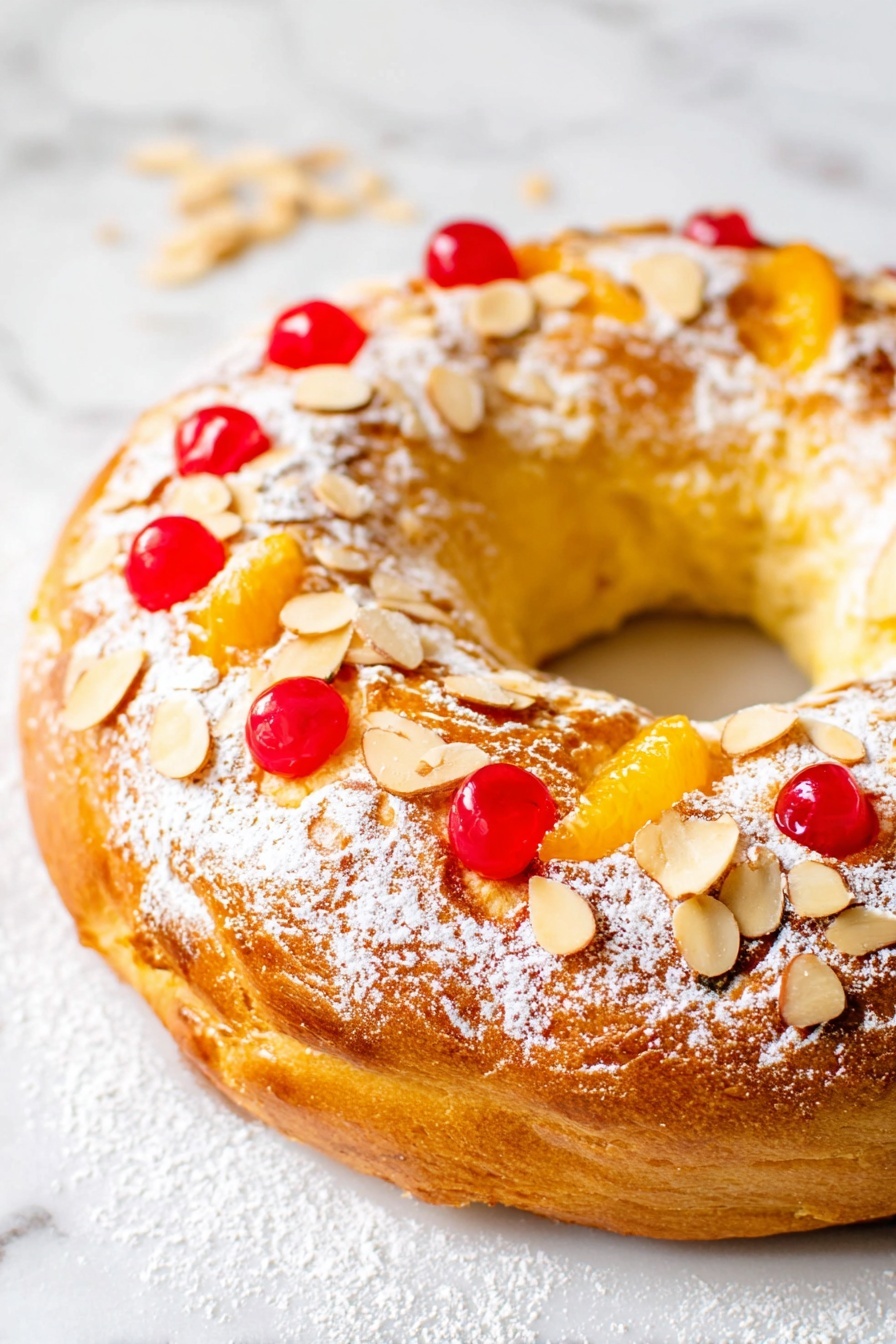
If you’re looking to bake something truly special that brings a slice of tradition and a burst of flavor to your home kitchen, then I’m so excited to share with you my Roscón de Reyes Recipe with Orange and Candied Fruits Recipe. This festive bread is a classic treat that’s filled with the zesty brightness of citrus and the sweet charm of candied fruits. Trust me, once you try this, you’ll fall head over heels — it’s just one of those recipes that feels like a big warm hug from the inside out.
Why You’ll Love This Recipe
- Authentic Flavor Balance: The combination of fresh orange, lemon zest, and candied fruits creates a perfect harmony of sweet and citrusy notes.
- Perfect Texture: This recipe yields a soft and fluffy bread with a slightly tacky, tender crumb — once you master the kneading, you’ll see the difference.
- A Festive Centerpiece: It doubles as both a delicious treat and a beautiful, colorful holiday showstopper that’s sure to impress your loved ones.
- User-Friendly Process: I’ve broken down the steps with tips to help you avoid common pitfalls and ensure that your first Roscón de Reyes is a winner.

Ingredients You’ll Need
For the Roscón de Reyes Recipe with Orange and Candied Fruits Recipe, the ingredients work together to bring that signature citrus brightness and rich sweetness. I always recommend using fresh citrus zest and quality bread flour because they really lift the bread’s flavor and texture to the next level.
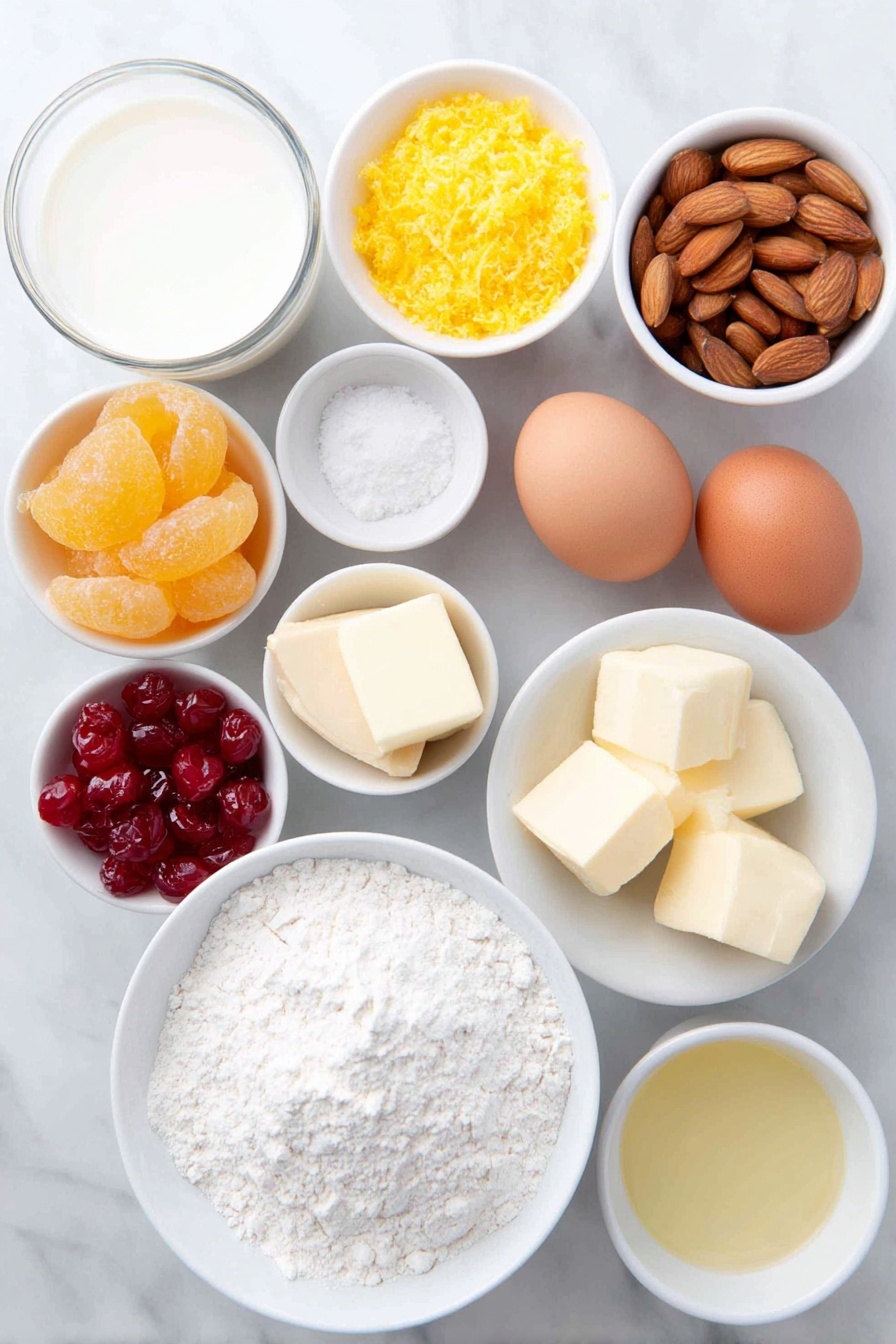
- Whole milk: It adds richness and tenderness to the dough — I use whole for the best results.
- Orange peel & lemon peel: Essential for that fresh, aromatic citrus flavor you’ll notice right away.
- Warm water: Activates the yeast — make sure it’s warm, not hot, so you don’t kill the yeast.
- Granulated sugar: Sweetens the dough just enough without overpowering.
- Dry active yeast: The little powerhouse that makes your dough rise beautifully.
- Bread flour: Higher protein content helps build good gluten for that perfect chew.
- Orange zest & lemon zest: Freshly grated zest brightens the dough — fresh is key.
- Salt: Balances all the sweetness and enhances flavor.
- Butter: Adds richness and soft texture; room temperature butter works best for easy mixing.
- Eggs: They add both structure and moisture — I always use large eggs to keep things consistent.
- Rum (optional): Adds a lovely depth of flavor — but you can skip it if you prefer.
- Orange blossom water: This is the secret aromatic touch which gives the roscón that classic floral hint.
- Egg and milk (for egg wash): Makes your roscón’s crust glossy and golden.
- Dried maraschino cherries, candied orange slices, sliced almonds: These toppings are classic and add a festive look with tasty bursts of sweetness.
Variations
I love how versatile this Roscón de Reyes Recipe with Orange and Candied Fruits Recipe can be. Depending on what you have on hand or your taste preferences, there are some fun ways to make it your own without losing that classic charm.
- Nut-Free Version: Simply omit the almonds or swap with toasted seeds like pumpkin or sunflower for crunch without nuts.
- Alcohol-Free: Skip the rum and replace it with a little extra orange blossom water or orange juice to keep the flavor vibrant.
- Gluten-Free Adaptation: While it’s a bit trickier due to the dough’s rise, using a strong gluten-free flour blend with xanthan gum can work — just be ready to knead carefully.
- Extra Fruits: I sometimes add finely chopped dried apricots or figs for more texture and chewiness — my family really enjoys the surprise bites.
How to Make Roscón de Reyes Recipe with Orange and Candied Fruits Recipe
Step 1: Infuse Your Milk with Citrus Magic
Start by simmering your milk with the orange and lemon peels — this step really wakes up those citrus flavors, and it’s a little trick I learned from years of perfecting roscón. Let it cool to warm (not hot!) so it’s just right for the yeast to activate. Then strain carefully to remove the peels, so you get that lovely infused flavor without any bitterness.
Step 2: Activate Your Yeast with Warm Milky Goodness
This is the crucial moment where your dough begins to come alive. Mix half the infused milk with warm water, sugar, yeast, and a bit of flour. Give it a stir, then cover and rest it in a warm spot for 15 minutes. You’ll see bubbles and froth — that’s your yeast waking up and ready to work its magic.
Step 3: Combine Dry and Wet Ingredients for The Ultimate Dough
In a large bowl, mix most of your bread flour, sugar, yeast, orange and lemon zest, and salt. Then add the butter, eggs, rum (if using), orange blossom water, plus your activated yeast mix. Stir until combined but expect a sticky dough — this is perfectly normal.
Step 4: Knead To Perfection
Dust your counter lightly with the remaining flour. Turn the dough out and knead for about 15 minutes. This is where patience pays off—you want it tacky and soft but not overly sticky. I often tell friends to use the windowpane test here: stretch a small piece; if it’s thin and translucent without tearing, you’re on the right track.
Step 5: First Rise – Let The Dough Double in a Cozy Spot
Spray your mixing bowl with non-stick spray, form the dough into a smooth ball, and tuck the edges underneath to keep it taut. Place the dough in the bowl, spritz the top lightly, cover with plastic wrap, and let it rise for around 2 hours — it should almost double in size. I like to put my bowl in the oven with just the light on to create a perfect warm environment.
Step 6: Shape and Second Rise
After the dough has risen, gently deflate it and shape it into a large oval or ring with a hole in the center — think of it like a big fluffy bracelet! Place it on parchment-lined baking sheet, cover, and let it rest and rise again for 30 minutes. This second rise enhances the final texture and ensures a light crumb.
Step 7: Decorate With Love and Bake
Preheat your oven to 350°F while you prepare an egg wash by whisking together egg and milk. Brush it over the dough for that beautiful shine. Then artfully arrange your dried cherries, candied orange slices, and chopped almonds however you like — I like to get creative and make a festive pattern. Sprinkle the sugar mixed with orange blossom water on top, pop it in the oven, and bake for 20-25 minutes until golden and delightful.
Let the roscón rest for 10-15 minutes before slicing — it’s best enjoyed slightly warm with butter or even a dollop of sweetened whipped cream on the side.
Pro Tips for Making Roscón de Reyes Recipe with Orange and Candied Fruits Recipe
- Perfect Temperature for Yeast: I always double-check my liquid temps with a kitchen thermometer — around 100°F to 110°F is perfect to activate yeast without killing it.
- Kneading Patience Pays Off: Kneading for a full 15 minutes develops that beautiful gluten structure which makes the bread fluffy yet sturdy.
- Don’t Skip the Second Rise: The second fermentation gives the roscón its airy crumb — it’s worth the wait!
- Decorate Before Baking: Adding the fruit and almond toppings right before baking helps them adhere and adds that festive crunch and color.
How to Serve Roscón de Reyes Recipe with Orange and Candied Fruits Recipe
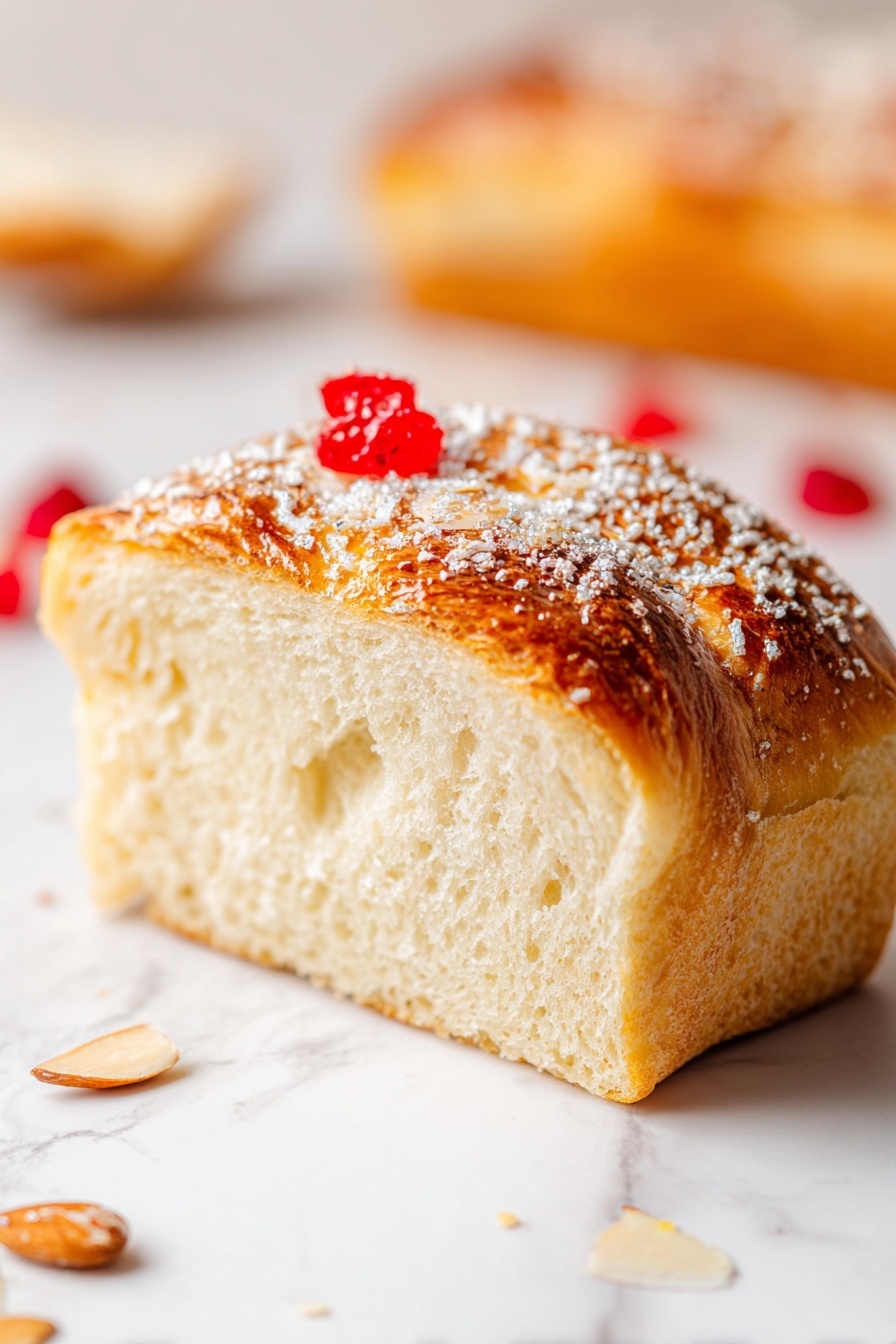
Garnishes
After baking, I love adding a little extra dusting of powdered sugar or dollops of whipped cream alongside. Some fresh orange zest on top adds a vibrant freshness that complements the candied fruits beautifully.
Side Dishes
I usually serve roscón with a warm cup of café con leche or hot chocolate. The creamy, warm drinks balance the sweetness of the bread perfectly, especially for a leisurely breakfast or festive brunch.
Creative Ways to Present
For special occasions, I like to place the roscón on a beautiful cake stand surrounded by fresh edible flowers or extra slices of candied orange and cherries. It makes the table feel extra festive and invites everyone to dive in right away.
Make Ahead and Storage
Storing Leftovers
This roscón keeps nicely in an airtight container at room temperature for up to 5 days. I usually slice whatever we’re not eating right away and wrap it tightly in plastic wrap to keep it soft and fresh.
Freezing
If you want to freeze the roscón, slice it first and place the slices in a freezer bag with parchment paper between layers to prevent sticking. It freezes well for up to 2 months, which means you can bake ahead for the holidays.
Reheating
I reheat slices gently in a toaster oven or warm them in the microwave with a damp paper towel to keep the bread moist — this brings back that fresh-baked softness and the flavors shine through even more.
FAQs
-
Can I make Roscón de Reyes without orange blossom water?
Yes, you can skip orange blossom water if it’s hard to find. To keep some of that floral aroma, I recommend adding a little extra orange zest or a teaspoon of vanilla extract as a substitute. The flavor will be slightly different but still delicious!
-
Why is my Roscón de Reyes dough sticky after kneading?
The dough should be a bit tacky but not overly sticky. If it’s sticking too much to your hands or counter, sprinkle a little more flour gradually during kneading. Be careful not to add too much flour though, as that can make the bread dry and dense.
-
Can I use instant yeast instead of active dry yeast?
Absolutely! If using instant yeast, you can mix it directly with your dry ingredients and reduce the amount slightly. Just note that rise times might be a little faster, so keep an eye on your dough.
-
How do I know when the Roscón de Reyes is fully baked?
Look for a light golden color on the crust and a firm surface. You can gently tap the bottom of the bread — it should sound hollow. If you have a kitchen thermometer, the internal temperature should reach about 190°F.
-
Can I add fillings like cream or chocolate?
Definitely! Many people enjoy a filled Roscón de Reyes. You can slice it horizontally once cooled and spread in whipped cream, pastry cream, or chocolate ganache for an indulgent twist. Just keep in mind you should fill it shortly before serving to keep the bread fresh.
Final Thoughts
Making this Roscón de Reyes Recipe with Orange and Candied Fruits Recipe has truly been one of my favorite baking projects—there’s something so joyful about the process and the final result that fills the room with warmth and celebration vibes. I hope you’ll try baking it yourself, and that it becomes a tradition in your home just like it has in mine. It’s a recipe filled with both flavor and heart, perfect for sharing with friends and family over great conversations and laughter.
Print
Roscón de Reyes Recipe with Orange and Candied Fruits Recipe
- Prep Time: 25 minutes
- Cook Time: 20 minutes
- Total Time: 2 hours 50 minutes
- Yield: 12 servings
- Category: Baking
- Method: Baking
- Cuisine: Spanish
Description
Roscón de Reyes is a traditional Spanish sweet bread enjoyed during the Epiphany season. This aromatic, festive bread is infused with citrus zest, orange blossom water, and a touch of rum, then topped with candied fruits and almonds. It features a soft, slightly tacky dough that rises twice for a fluffy texture and is beautifully adorned before baking to a golden perfection.
Ingredients
First Fermentation:
- ¾ cup whole milk, divided
- 1 orange peel
- 1 lemon peel
- ¼ cup very warm water
- 2 tablespoons granulated sugar
- 1 ½ teaspoons dry active yeast
- ⅓ cup bread flour (with at least 0.5 oz protein)
Second Fermentation:
- 3 cups bread flour, divided
- ⅔ cup granulated sugar
- 1 tablespoon active dry yeast
- 1 tablespoon orange zest
- 2 teaspoons lemon zest
- 1 teaspoon salt
- 6 tablespoons room temperature butter
- 2 large eggs
- 2 tablespoons rum (optional)
- 2 tablespoons orange blossom water
Toppings:
- 1 large egg
- 2 tablespoons whole milk
- ¼ cup granulated sugar
- ½ teaspoon orange blossom water
- 6-8 dried maraschino cherries
- 4-6 candied orange slices
- ¼ cup sliced almonds, chopped
Instructions
- Prepare the first fermentation: In a small saucepan, combine the milk, orange peel, and lemon peel and bring to a gentle simmer over medium heat. Let it simmer for one minute, then remove from heat. Cover and allow the milk to cool until it becomes very warm but not hot. Strain the milk through a fine mesh to remove the peels.
- Activate the yeast mixture: Pour ½ cup of the strained warm milk into a small bowl, add the warm water, granulated sugar, and active dry yeast. Stir well to combine. Add the ⅓ cup bread flour and mix again until the ingredients are fully incorporated. Cover and let it rest for 15 minutes in a warm place, allowing the yeast to activate and bubble slightly.
- Combine dry ingredients for second fermentation: In a large bowl, mix 2 cups of bread flour, the remaining granulated sugar, active dry yeast, orange zest, lemon zest, and salt until evenly distributed.
- Mix wet ingredients with first fermentation: To the dry mixture, add the softened butter, eggs, rum (if using), orange blossom water, and the yeast mixture from the first fermentation. Stir until the dough begins to come together but is too stiff to mix anymore with a spoon.
- Knead the dough: Lightly dust a clean countertop with the remaining 1 cup of bread flour. Turn out the dough onto this surface and knead for about 15 minutes, adding flour cautiously to keep the dough tacky but not sticky or stiff. The dough should be pliable and smooth after kneading.
- First rise: Spray the original mixing bowl with non-stick spray. Shape the dough into a ball and place it into the prepared bowl. Lightly spray the dough surface, cover tightly with plastic wrap, and let it rise in a warm place until doubled in size, approximately 2 hours.
- Shape the dough: Once doubled, turn the dough onto the counter and gently shape it into a ball again by tucking in the edges. Using your finger, poke a hole through the center and gently stretch it outward to form a large oval ring, typical of a Roscón.
- Second rise: Place a sheet of parchment paper on a 9×13-inch baking sheet. Transfer the shaped dough ring onto the parchment. Lightly spray the top with non-stick spray, cover loosely, and let it rise for another 30 minutes until puffed.
- Prepare toppings and preheat oven: Preheat the oven to 350°F (175°C). In a small bowl, whisk the egg and milk together to create an egg wash. In another bowl, mix granulated sugar with orange blossom water until it resembles sand.
- Decorate the Roscón: Brush the risen dough generously with the egg wash. Arrange candied orange slices, maraschino cherries, and chopped almonds on top in a decorative pattern. Sprinkle the orange blossom sugar mixture evenly around the top.
- Bake the bread: Bake in the preheated oven for 20-25 minutes or until the crust is lightly golden and the bread sounds hollow if tapped gently.
- Cool and serve: Remove from the oven and let it rest for 10-15 minutes before slicing. Serve warm with butter or sweetened whipped cream for a delightful treat.
Notes
- Store the Roscón de Reyes in an airtight container at room temperature for up to 5 days to maintain freshness.
- You can substitute rum with additional orange blossom water or omit alcohol altogether for a family-friendly version.
- Ensure the milk is warm but not hot during fermentation to avoid killing the yeast.
- Kneading is important to develop gluten; avoid overuse of flour to prevent a dry final bread.
- This bread can be enjoyed plain or filled with whipped cream or pastry cream as per tradition.
Nutrition
- Serving Size: 1 slice (1/12 of bread)
- Calories: 280
- Sugar: 16 g
- Sodium: 150 mg
- Fat: 9 g
- Saturated Fat: 5 g
- Unsaturated Fat: 3 g
- Trans Fat: 0 g
- Carbohydrates: 42 g
- Fiber: 1.5 g
- Protein: 6 g
- Cholesterol: 55 mg