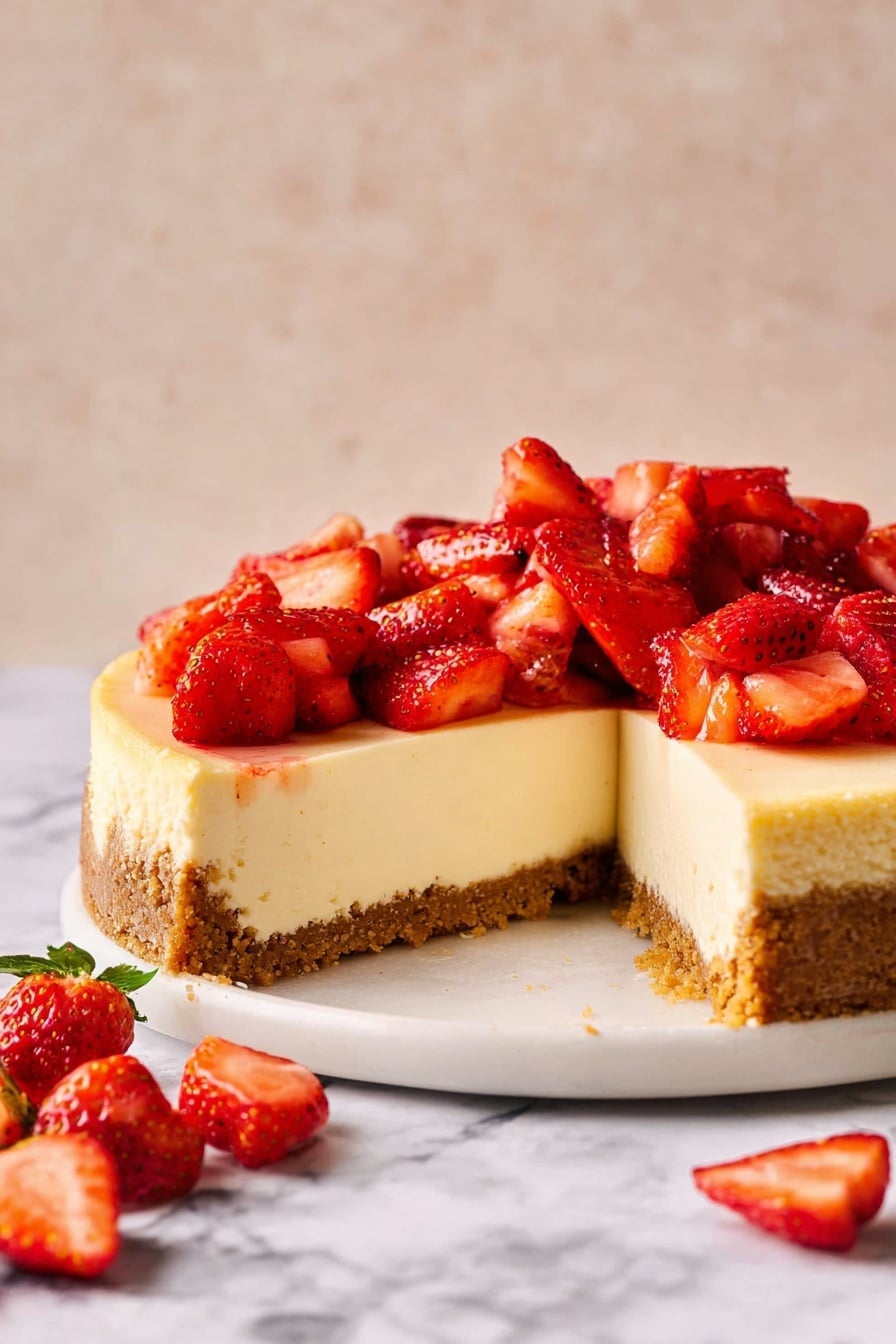
If you’ve been hunting for the perfect Gluten Free Cheesecake Recipe that tastes just as divine as the classic version, you’re in the right place! This recipe is my go-to because it’s creamy, rich, and naturally gluten free without any compromise on flavor or texture. Whether you’re baking for someone with gluten sensitivities or simply want a delicious dessert that everyone can enjoy, this cheesecake will absolutely wow you — and I can’t wait to share all my tips to help you make it flawlessly in your own kitchen.
Why You’ll Love This Recipe
- Gluten Free but Indulgent: You get that classic creamy texture and rich flavor without worrying about gluten sneaking in.
- Simple Ingredients: I love how straightforward this recipe is — all pantry staples and easy to find gluten free graham crackers.
- Water Bath Technique: Baking with a water bath keeps the cheesecake silky and crack-free, a trick I learned after many cheesecake fails!
- Versatile Toppings: Fresh berries or whatever fruit you love add a bright contrast that makes every bite magical.

Ingredients You’ll Need
The magic of this Gluten Free Cheesecake Recipe starts with the crust and moves into a creamy, dreamy filling. I always recommend using full-fat cream cheese and fresh eggs at room temperature — it really makes a difference in the texture. And for the crust, gluten free graham crackers are the key player here.

- Gluten free graham crackers: I used Kinnikinnick brand, which crushes easily and has the right sweetness and crunch.
- Brown sugar: Adds that lovely caramel note to the crust; you can use light or dark for subtle flavor changes.
- Ground cinnamon: Just a touch for warmth and depth in the crust.
- Unsalted butter: Melted and mixed with crumbs, it helps everything bind perfectly.
- Cream cheese: Make sure it’s softened to room temp so your batter is silky and lump-free.
- Granulated sugar: For sweetness that balances the tanginess of cream cheese.
- Sour cream: Adds moisture and a subtle tang to keep the cheesecake from being too heavy.
- Heavy cream: Brings richness and smoothness to the filling.
- Pure vanilla extract: To elevate all the flavors with its warm, sweet aroma.
- Eggs + egg yolk: Important for structure and that classic cheesecake silkiness.
Variations
This Gluten Free Cheesecake Recipe is a wonderful base for experimenting. I love switching up the toppings and sometimes blending in flavors to the batter itself. Feel free to make it your own — that’s part of the fun in the kitchen!
- Lemon zest or juice: Adding some lemon zing to the batter brightens up the richness and is a fresh twist I’ve tried with great success.
- Dairy-free variation: I once swapped the cream cheese with a high-quality dairy-free alternative, and it worked well though slight texture changes happen — perfect for friends with dairy allergies.
- Nut crust: Instead of graham crackers, crushed almonds or pecans mixed with a touch of sweetener and butter can lend a lovely crunch and deeper flavor.
- Mini cheesecakes: Instead of a big one, I’ve made this in cupcake tins for easy portion control and quick baking.
How to Make Gluten Free Cheesecake Recipe
Step 1: Prepare and bake the gluten free crust
First things first: preheat your oven to 325℉ and prep a 9-inch springform pan with baking spray and a parchment paper circle on the bottom — this prevents sticking and helps remove the cheesecake cleanly. Then, blitz those gluten free graham crackers in a food processor until they’re fine crumbs, which gives you a crust that’s buttery and holds together beautifully. Mix in brown sugar and cinnamon, then pour in melted butter and stir to coat all the crumbs. Press this mixture firmly into the bottom and halfway up the sides of your pan—using a measuring cup to compact it worked best for me! Bake the crust for 12 minutes until it’s golden and slightly firm. This little step makes all the difference because the crust sets before the filling goes in – no soggy bottoms here.
Step 2: Whip up the creamy cheesecake filling
While the crust cools, start on the filling. Beat the cream cheese and sugar together on high speed for a full two minutes — it’s tempting to rush, but this really makes your cheesecake superfine and lump free. Don’t forget to scrape down the bowl halfway; I learned this trick because no one wants bits of unmixed cream cheese hiding in there! Next, add sour cream, heavy cream, and vanilla and mix just until smooth. Then, add the eggs one by one, mixing on low speed after each addition—this prevents too much air from beating in, which can cause cracking later. Pour that luscious batter right over your cooled crust.
Step 3: Bake with a water bath for silky smooth perfection
The water bath is the secret weapon here — it keeps the heat gentle and even. I prefer to place the springform pan inside a 10-inch cake pan and then set this inside a larger roasting pan filled with hot water halfway up the cake pan. This method stops water from leaking into your crust, which I used to struggle with when wrapping foil. Bake your cheesecake for 70 to 80 minutes — the edges should be set, and the center will have a slight jiggle, kind of like jelly. Resist the urge to open the oven door early! Once done, turn the oven off, crack the door, and let the cheesecake cool gradually for 30 minutes in there. Then move it to a cooling rack to cool completely, still in the pan. This slow cooling helps prevent cracks and keeps the texture dreamy.
Step 4: Chill and serve with your favorite toppings
Once completely cooled, wrap the cheesecake tightly in foil and chill it in the fridge for at least 6 hours or overnight. This chilling overnight is what I’ve found really lets the flavors develop fully and helps the slices hold their shape beautifully. When you’re ready to serve, carefully remove the sides of the pan and peel off the parchment paper. Honestly, topping this cheesecake with fresh berries is my favorite—a colorful and juicy contrast that my family goes crazy for every time.
Pro Tips for Making Gluten Free Cheesecake Recipe
- Room Temperature Ingredients: Pull your cream cheese, sour cream, heavy cream, and eggs out two hours before baking to ensure a smooth, lump-free batter.
- Don’t Overmix Eggs: Add eggs one at a time on low speed to avoid incorporating too much air, which can cause cracks and puffiness.
- Use Parchment Paper: Lining your springform pan bottom with parchment guarantees an easy release—and a pristine cheesecake base.
- Water Bath Wrapping: If you try the foil method, wrap your springform pan twice tightly and test for leaks beforehand—water isn’t your friend in this recipe!
How to Serve Gluten Free Cheesecake Recipe
Garnishes
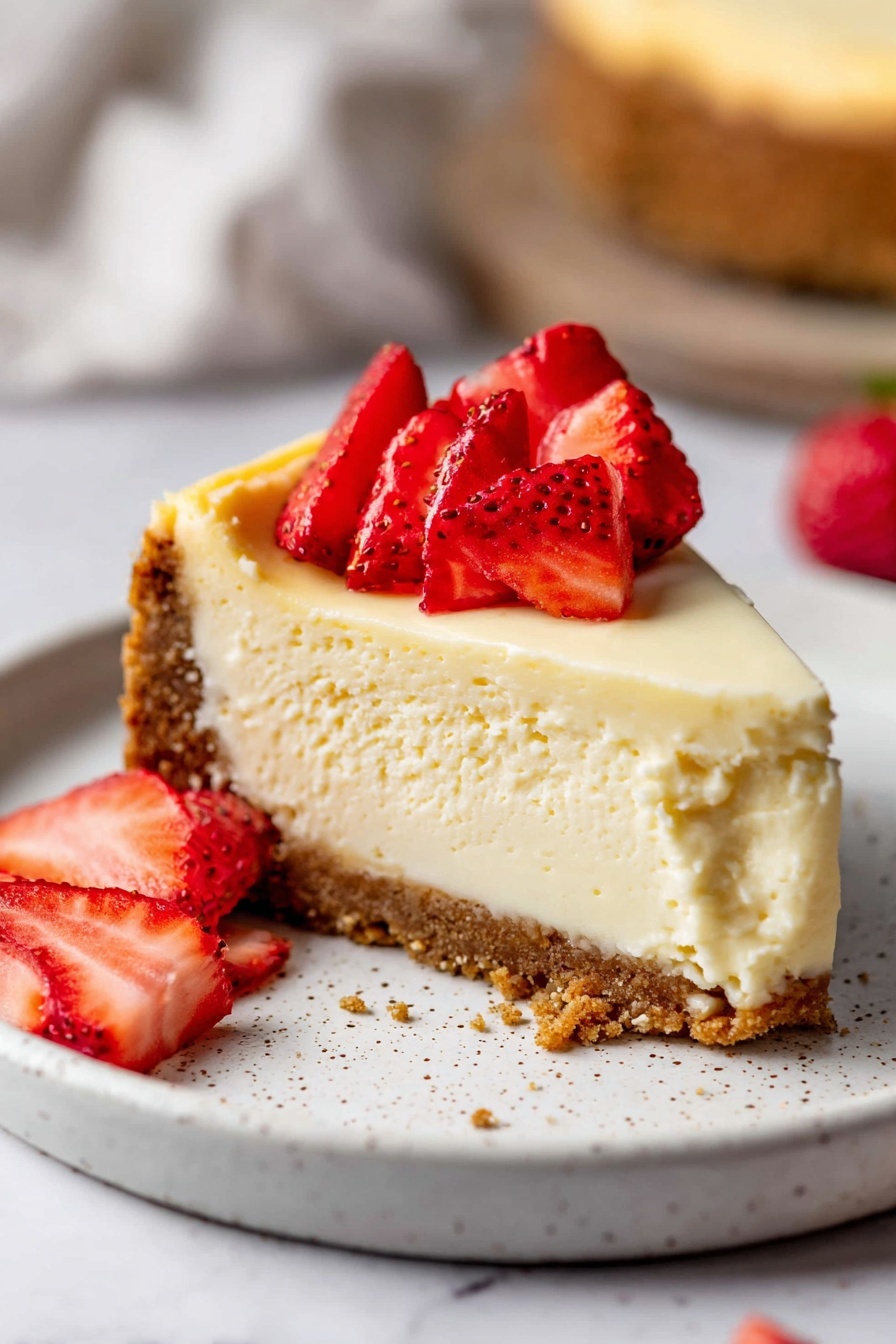
I adore topping this cheesecake with fresh berries—strawberries, blueberries, raspberries, or a mix. Their natural sweetness and a bit of tartness add a refreshing burst that cuts through the richness. Sometimes I drizzle a little honey or a tangy berry coulis over the top for a professional touch. Whipped cream on the side never hurts either, especially when guests come over!
Side Dishes
While cheesecake typically stands alone as a dessert star, I’ve found it pairs wonderfully with light sides like a citrusy salad or even a small scoop of vanilla bean ice cream for a dreamy finish. Fresh mint leaves on the side add an herbal brightness that wakes up your palate between bites.
Creative Ways to Present
For special occasions, I love plating individual cheesecake slices with artwork made from berry coulis swirled elegantly on the plate. Another fun idea is mini cheesecakes in mason jars topped with seasonal fruit—they’re perfect for gatherings and look absolutely charming when served chilled.
Make Ahead and Storage
Storing Leftovers
Once chilled, you can store leftover cheesecake tightly wrapped in foil or plastic wrap in the fridge for up to 5 days. I always slice mine before storing so everyone can grab a piece without the fuss of cutting.
Freezing
I’ve frozen this cheesecake numerous times! After slicing, wrap each piece tightly in plastic wrap, then foil, and place in a freezer-safe container. It keeps for up to 2 months without losing much quality. Thaw overnight in the fridge before serving.
Reheating
Cheesecake is best enjoyed chilled, but if you want to warm a slice, I suggest bringing it to room temperature first to soften the texture, then warming gently in the oven at 300℉ for about 10 minutes. Avoid microwaving—it can make the texture rubbery.
FAQs
-
Can I use a regular graham cracker crust instead of gluten free?
Absolutely! If gluten isn’t a concern, you can substitute regular graham crackers with the same measurement. Just be sure the crust-to-filling ratio feels balanced to you.
-
How do I know when my gluten free cheesecake is done baking?
Look for set edges but a slightly jiggly center, like jelly. It should not be liquidy; the residual heat will finish the cooking once out of the oven during cooling.
-
Why is the water bath important in this recipe?
Baking in a water bath helps regulate oven temperature around the cheesecake, preventing cracks and dryness by providing gentle moist heat.
-
Can I make this cheesecake dairy-free or vegan?
While this recipe was developed with traditional dairy ingredients, you can experiment with dairy-free cream cheeses and creams, but expect some changes in texture and flavor.
-
How do I prevent cracks on my cheesecake?
Use room temperature ingredients, add eggs slowly, avoid overmixing, bake in a water bath, and cool slowly by leaving the oven door cracked and cooling completely before refrigerating.
Final Thoughts
I absolutely love how this Gluten Free Cheesecake Recipe turns out every time — rich, creamy, and with that perfect balance of sweetness and tang. When I first tried to make gluten free cheesecake, I struggled to get the crust and filling just right, but this recipe really changed the game for me. You’re going to enjoy how easy it is to follow, how forgiving it is once you know the tips, and most of all, the smiles you get when you share this cheesecake with family and friends. So go ahead, preheat that oven, and whip up something special — I promise this cheesecake will become a staple for you too!
Print
Gluten Free Cheesecake Recipe
- Prep Time: 30 minutes
- Cook Time: 82 minutes
- Total Time: 6 hours 52 minutes
- Yield: 16 servings
- Category: Dessert
- Method: Baking
- Cuisine: American
- Diet: Gluten Free
Description
This Gluten Free Cheesecake recipe features a buttery gluten free graham cracker crust and a creamy, rich cheesecake filling made with cream cheese, sour cream, and fresh eggs. Baked in a water bath for a velvety texture, this cheesecake is perfect for those seeking a delicious gluten free dessert that can be topped with fresh fruit for an added burst of flavor.
Ingredients
Gluten Free Crust
- 2 1/2 cups gluten free graham crackers (about 2 boxes of Kinnikinnick crackers)
- 1/3 cup brown sugar, packed light or dark
- 1/2 tsp ground cinnamon
- 10 tablespoons unsalted butter, melted
Cheesecake
- 24 oz cream cheese, room temperature
- 3/4 cup white granulated sugar
- 1/2 cup sour cream, room temperature
- 1/4 cup heavy cream, room temperature
- 1 tsp pure vanilla extract
- 4 large eggs, room temperature
- 1 egg yolk, room temperature
- Fresh fruit for topping (optional)
Instructions
- Prepare and Preheat: Preheat your oven to 325℉. Spray a 9-inch springform pan with baking spray, line the bottom with a 9-inch parchment paper circle, and spray the parchment again to prevent sticking.
- Make the Crust: Using a food processor, blend the gluten free graham crackers into fine crumbs. In a bowl, combine the crumbs with brown sugar, cinnamon, and melted butter, mixing until the texture resembles wet sand.
- Form the Crust: Pour the crumb mixture into the prepared pan. Using your hands, press the crust mixture halfway up the sides of the pan and then use the bottom of a measuring cup to compress it firmly.
- Bake the Crust: Bake the crust for 12 minutes. Once done, begin preparing the cheesecake batter to allow the crust to cool slightly.
- Beat Cream Cheese and Sugar: Using a mixer, beat the cream cheese and sugar on high speed for 2 minutes. Pause halfway to scrape down the sides with a rubber spatula to ensure even mixing.
- Add Creams and Vanilla: Add the heavy cream, sour cream, and vanilla extract to the cream cheese mixture. Mix at medium speed until well combined, scraping the bowl occasionally to remove any lumps.
- Incorporate Eggs: Add the eggs and egg yolk one at a time on low speed, mixing just until combined to avoid overmixing. Pour the finished batter into the prepared crust.
- Prepare Water Bath: Choose one of two methods to create a water bath to ensure even baking and prevent cracking: 1) Place the springform pan inside a 10-inch cake pan, then place this cake pan inside a large roasting pan filled halfway with hot steaming water. 2) Wrap the springform pan tightly twice in aluminum foil, place it inside the roasting pan, and fill with hot water halfway up the pan. Both methods help maintain moisture during baking.
- Bake the Cheesecake: Bake for 70 to 80 minutes. You’ll notice the edges will be set while the center still has a slight jiggle, which is perfect.
- Cool in Oven: Turn off the oven and crack the door open, letting the cheesecake cool in the oven gently for 30 minutes to prevent cracking. Then transfer it to a cooling rack to cool completely while still in the pan.
- Chill Overnight: Wrap the cheesecake tightly in foil and refrigerate for at least 6 hours or preferably overnight for the best texture.
- Serve: Remove the cheesecake from the pan and peel off the parchment paper. Top with fresh fruit if desired, and serve chilled.
Notes
- Remove all dairy ingredients from the refrigerator 2 hours before baking to ensure they are at room temperature for optimal mixing.
- Using a water bath prevents cracking and promotes a smooth, creamy texture.
- Do not overmix the batter to avoid incorporating excess air that could cause cracks.
- Allow the cheesecake to fully chill overnight for the best flavor and firmness.
- Fresh berries make an excellent and colorful topping but are optional based on preference.
Nutrition
- Serving Size: 1 slice (1/16th of cheesecake)
- Calories: 380
- Sugar: 22g
- Sodium: 190mg
- Fat: 29g
- Saturated Fat: 17g
- Unsaturated Fat: 10g
- Trans Fat: 0g
- Carbohydrates: 22g
- Fiber: 1g
- Protein: 6g
- Cholesterol: 130mg